
Can Treating the Neck Help Jaw Pain?What 5 Trials Found
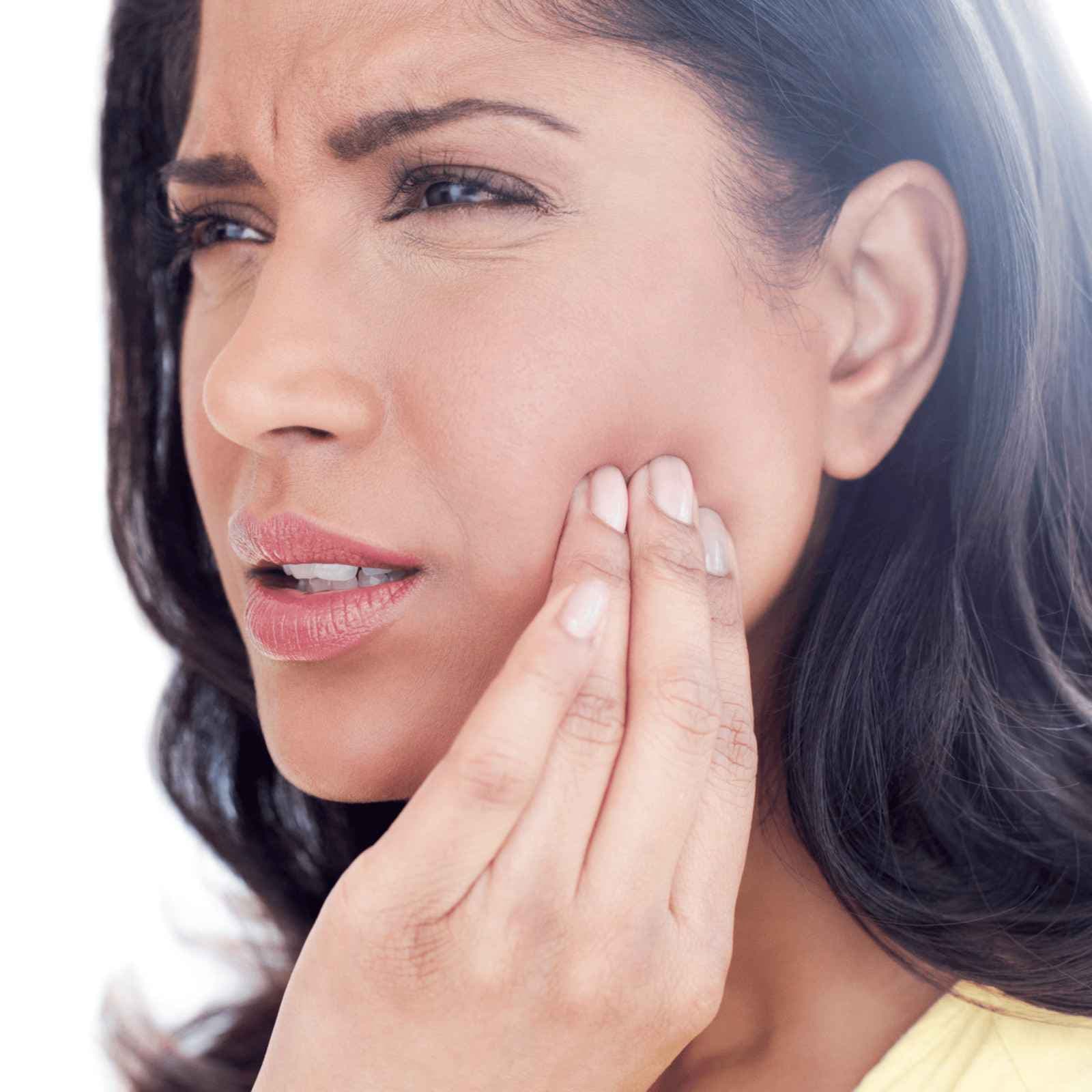
In five small trials of people with temporomandibular disorders, mostly women, manual therapy to the neck reduced facial pain and improved jaw function in the short term.
- Written by
- MyoFitness Research Team
- Published
- Reading time
- 2 min read
- Year
- 2023
- Journal
- Journal of Oral & Facial Pain and Headache
- Study design
- Systematic review and meta-analysis of 5 randomised controlled trials (213 participants)
- Lead author
- Liberato FMG et al.
What the study looked at
Temporomandibular disorders (TMD) cause pain in the jaw joint and chewing muscles, sometimes with clicking, limited opening or headaches. They're more common in women, and many people with jaw pain also have neck pain.
This review asked whether hands-on treatment applied to the neck, rather than the jaw itself, helps people with TMD.
What the researchers did
Neck manual therapy
Participants received manual therapy to the cervical joints, such as mobilisation.
Comparison groups
Results were compared with no intervention or a placebo treatment.
Outcomes
Facial pain, tenderness to pressure, and jaw function were pooled across trials.
What the results showed
Neck manual therapy improved all three main outcomes in the short term.
- 01
Less facial pain
Pain fell by about 1.8 centimetres on a standard 10-centimetre pain scale compared with no treatment or placebo.
- 02
Less tenderness
Pressure pain thresholds improved, so the area tolerated more pressure before it hurt.
- 03
Better jaw function
Jaw function improved by a moderate amount in the pooled results.
- 04
Short-term only
Follow-up was short, so it isn't known whether the improvements last once treatment stops.
Key finding in plain terms
Treating the neck, not just the jaw, reduced jaw pain and improved jaw function in people with TMD, at least in the short term. The evidence is early but supports looking beyond the jaw itself.
What this means for practice
This review supports including neck assessment and treatment when working with clients who have jaw pain. In practice, neck work is usually combined with treatment of the jaw muscles, exercises and advice about habits such as daytime clenching.
The review didn't compare neck treatment with those other approaches, so it doesn't tell us which combination works best.
Clinical relevance by discipline
Myotherapy
Assess and treat the neck as well as the jaw muscles in clients with TMD, alongside jaw exercises and habit advice.
Remedial massage
Neck and upper shoulder work may help clients with jaw pain. Refer for jaw-specific assessment if symptoms persist.
Dry needling
Not tested here. Any needling of neck or jaw muscles should be explained and consented to as a separate choice.
Clients
Don't be surprised if your therapist treats your neck for jaw pain, and keep your dentist involved if you grind your teeth.
Limitations to be aware of
The review pooled only five trials with 213 people, follow-up was short, and the authors said the quality of the evidence needs to improve.
About 90% of participants were women, which reflects how common TMD is in women but limits how far the results apply to men.
Summary
Across five small trials, manual therapy applied to the neck reduced facial pain, reduced tenderness and improved jaw function in people with TMD, in the short term.
For therapists, it supports assessing and treating the neck as part of care for jaw pain.
Full research paper
This page is a plain-language summary. The original paper holds the full methods, statistics and discussion.
Liberato FMG et al. (2023). Can Treating the Neck Help Jaw Pain? What 5 Trials Found. Journal of Oral & Facial Pain and Headache, 37(2)(Journal of Oral), pages 101 to 111.
DOI10.11607/ofph.3093
Read the full paperEvidence-based treatment is available near you.
Find a qualified myotherapist or remedial massage therapist who works from the research, or write to us with a question about this study.
More research summaries
- For patientsLymphatic Drainage Prevent Arm Lymphoedema
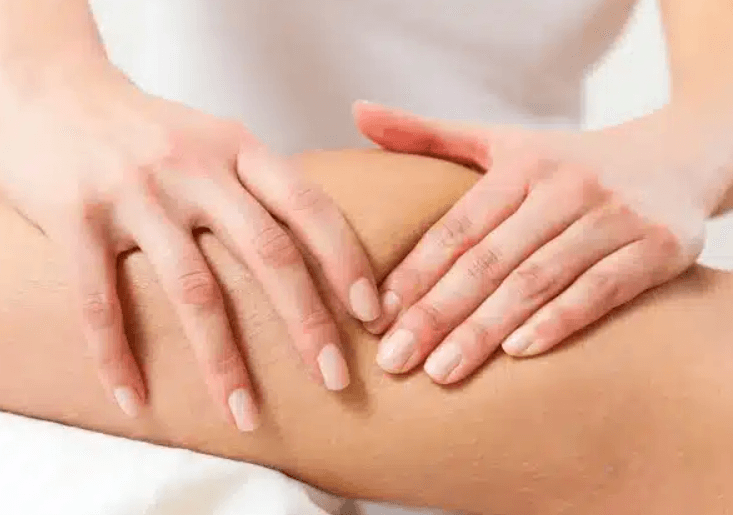
Can Lymphatic Drainage Prevent Arm Lymphoedema? What a Randomised Trial Found
After breast cancer surgery with lymph node removal, adding manual lymph drainage to prevention advice and exercise didn't lower the number of people who developed arm lymphoedema in the first year.
BMJ · 2011 - For patientsLymphatic Drainage
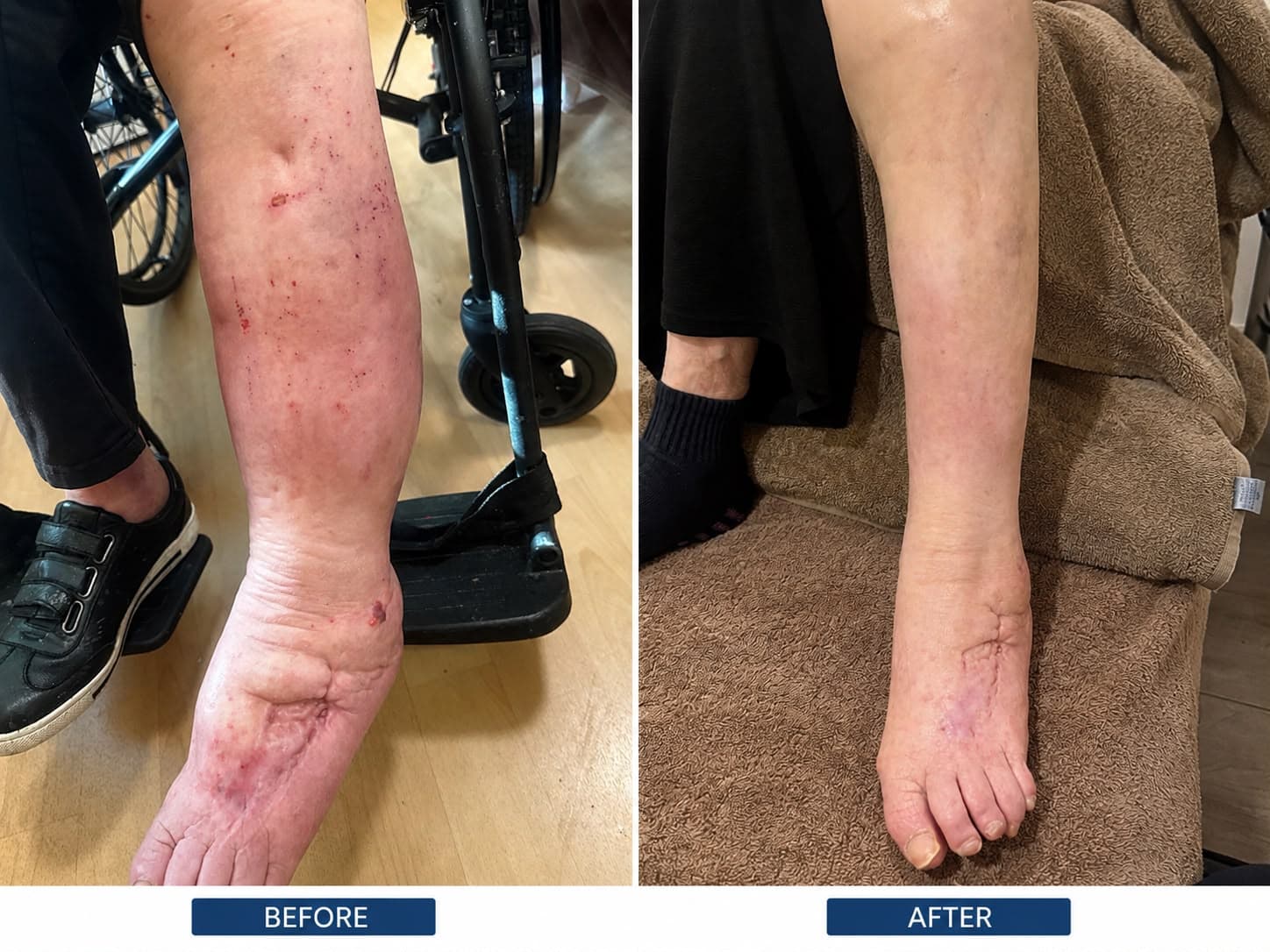
Does Lymphatic Drainage Add to Lymphoedema Care? What a Randomised Trial Found
In 194 people with chronic breast cancer-related lymphoedema, arm swelling went down by a similar amount whether they had fluoroscopy-guided, traditional or placebo lymphatic drainage on top of standard care.
Journal of Physiotherapy · 2022 - For patientsSports Massage

Does Sports Massage Improve Performance? What a Meta-Analysis Found
Across 29 studies and 1,012 people, sports massage didn't improve strength, sprinting, jumping, endurance or fatigue, but it was linked with small improvements in flexibility and muscle soreness.
BMJ Open Sport & Exercise Medicine · 2020