
Why your back pain keeps coming back, even after massage.
You book a massage, walk out feeling looser, and a week or two later the same ache is back. It's one of the most common stories therapists hear. Here's what's usually going on, and what tends to make a longer-lasting difference.

The short answer
- Why it comes back
Massage can ease pain and tension for a while, but it usually doesn't change what keeps loading or sensitising your back, such as how you move, how strong you are, sleep and stress.
- What tends to help
Hands-on treatment combined with gradually building movement and strength, plus a plan for flare-ups.
- Good to know
Most back pain isn't caused by serious damage. A few warning signs, though, need a doctor quickly.
Low back pain is one of the most common reasons people book a massage or myotherapy appointment. For many, a session brings real relief. The frustrating part is when that relief fades and you're back on the table a few weeks later with the same complaint.
That doesn't mean massage has failed, or that something is badly wrong with your back. It usually means the treatment is easing the symptoms without changing the things that keep bringing them back. This guide explains the difference.
The ease-then-return cycle
The pattern often looks like this. Your back gets sore and stiff. You have a massage and it feels much better for a few days. Life goes on, the same habits and loads return, and the ache slowly creeps back. You book again.
There's nothing wrong with enjoying regular massage. But if you're stuck in this loop and would like to get out of it, it helps to understand what's driving the pain in the first place. It can also help to notice what tends to come before each flare, such as a long drive, a big week at work or a poor run of sleep. Those patterns are useful clues for you and your therapist.
Why back pain recurs
Most back pain is what doctors call non-specific low back pain. That means there's no single structure, such as a disc or joint, that can be clearly identified as the cause, and scans often don't explain the pain. It also means it's rarely dangerous. Back pain does commonly come back, though, and several things can play a part:
Load and capacity: your back is asked to do more than it's currently conditioned for, such as a weekend of gardening after weeks of sitting.
Long periods in one position: sitting, standing or driving for hours without changing position.
Deconditioning: when back pain makes you move less, your back and hips can lose strength and tolerance, which makes the next flare more likely.
Protective guarding: after pain, many people start moving stiffly and cautiously, which can keep muscles tense.
Sleep and stress: poor sleep and high stress can make your nervous system more sensitive, so the same activity hurts more.
Worry about damage: fear that bending or lifting will hurt your back can lead to avoiding movement, which tends to keep the cycle going.
Hurt doesn't always mean harm. For most back pain, the aim is to build your back's tolerance back up, not to protect it from everything.
What massage does well
Hands-on treatment can be a useful part of managing back pain. Research suggests massage may help with pain in the short term for some people, though the effects tend to fade and the evidence is mixed in quality. Many people find it:
- Eases muscle tension and stiffness for a while
- Makes it easier and less worrying to start moving again
- Helps them relax, which can take the edge off pain
What massage generally can't do on its own is make your back stronger or more able to handle the loads in your life. That's where the type of therapist you see, and what happens between sessions, matters.
| Remedial massage | Myotherapy | |
|---|---|---|
| Main focus | Hands-on treatment of tight, sore areas | Assessment of how you move, then treatment and exercise |
| Often suits | Easing tension, regular upkeep, general aches | Pain that keeps coming back, or a problem you want to understand |
| What you leave with | Usually some stretches or self-care tips | Usually a home exercise plan and a review point |
- Remedial massage
- Hands-on treatment of tight, sore areas
- Myotherapy
- Assessment of how you move, then treatment and exercise
Main focus
- Remedial massage
- Easing tension, regular upkeep, general aches
- Myotherapy
- Pain that keeps coming back, or a problem you want to understand
Often suits
- Remedial massage
- Usually some stretches or self-care tips
- Myotherapy
- Usually a home exercise plan and a review point
What you leave with
Trigger points and tight spots
Many people with back pain have tender, tight spots in the muscles of the lower back, glutes and hips. Pressing on them can bring on a familiar ache, sometimes in a different place. Therapists often call these trigger points.
Working on them with pressure, massage or dry needling can ease pain for a while, and many people find that helpful. The science on exactly what trigger points are is still debated. It's also worth knowing that tight spots are often a response to something else, such as weakness, guarding or overload, rather than the root cause. If they keep coming back, it's a sign to look at the bigger picture.
Movement and strength
Australian and international guidelines for low back pain consistently recommend staying active and using exercise as a core part of treatment. There's no single best exercise. What matters most is doing something regularly that gradually builds up.
Start where you are: walking, gentle mobility work or simple strength exercises at a level that's manageable.
Build gradually: add a little more time, load or range each week rather than big jumps.
Include strength: exercises for the hips, legs and trunk help your back handle everyday lifting and bending.
Expect some discomfort: mild, short-lived soreness while you build up is common and usually fine.
Keep going between flares: the habits that help most are the ones you keep when you feel good.
What a good plan looks like
If your back pain keeps returning, a helpful plan from a myotherapist or remedial massage therapist will usually include:
- An assessment of how you move and what aggravates your pain
- Hands-on treatment to ease symptoms, especially early on
- A short home exercise plan that progresses over time
- Advice on breaking up long periods of sitting or standing
- A flare-up plan, so you know what to do the next time it starts
- Sessions that space out as you improve, rather than continuing indefinitely
On the directory, you can filter by Low back pain to find therapists who list it, and browse Myotherapy if you'd like more assessment and exercise in the mix.
When to see a GP or call 000
Go to an emergency department or call 000
If back pain comes with numbness around your groin, bottom or inner thighs, new problems controlling your bladder or bowels, or weakness in both legs, get emergency care straight away. These can be signs of cauda equina syndrome, which needs urgent treatment. Call 000 for back pain after a serious fall or accident, or with chest pain or shortness of breath.
See your GP promptly, rather than starting with massage, if you have:
- Fever, chills or feeling generally unwell with back pain
- A history of cancer, or unexplained weight loss
- Back pain after a fall or injury, particularly if you're older or have osteoporosis
- Pain that is constant, severe and doesn't ease with rest or changing position, or that is worse at night
- Pain, numbness or weakness travelling down a leg
- Pain that keeps getting worse over a few weeks instead of better
Ready to look?
Find a therapist who treats low back pain
Search by suburb, therapy or what you're dealing with. Every listing is checked against a national association register.
This guide is general information, not medical advice. Back pain has many possible causes, so see your GP if you're unsure what's behind yours, if it's getting worse, or if you notice any of the warning signs listed above.
Find a myotherapist near you
Every practitioner in the directory is verified before their listing goes live. Search by suburb, therapy or health fund.
Related articles
- Injury & Recovery21 Oct 2026
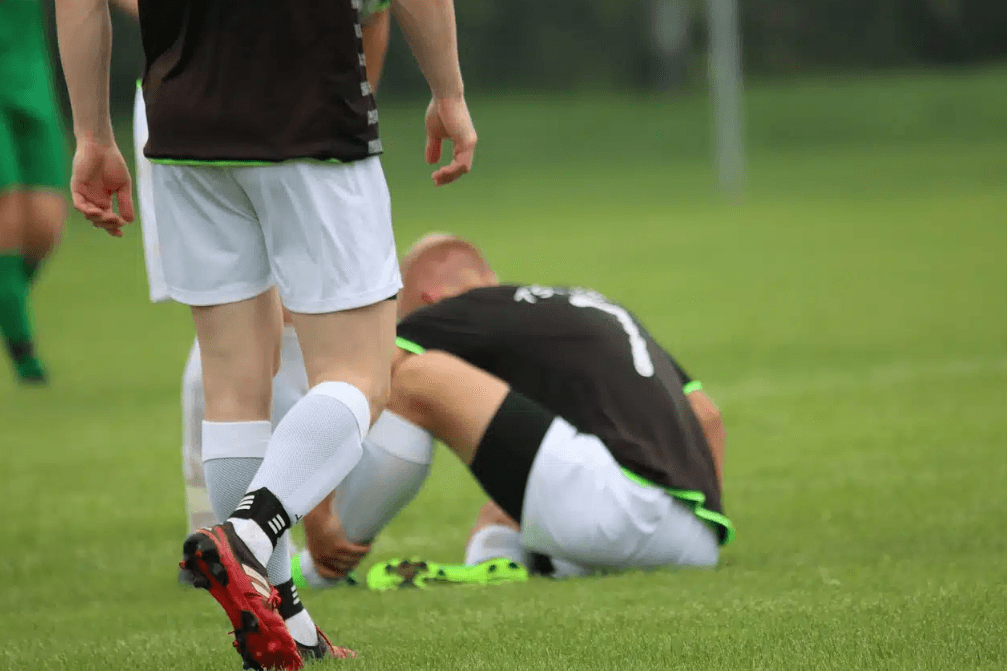
Why runners and gym-goers keep getting the same injuries.
The calf that tightens every spring. The hamstring that twinges whenever you sprint. The Achilles that grumbles after every long run. If an injury keeps coming back, it's usually telling you something about load and recovery. Here's how to read the signs and break the cycle.
MyoFitness Team · 7 min read - Injury & Recovery2 Oct 2026
Return to running after an ankle sprain, without spraining it again
Most ankles stop hurting long before they are ready to run. The gap between those two points is where almost every re-sprain happens.
MyoFitness Team · 7 min read - Jaw & TMJ20 Oct 2026

What your headaches could actually be coming from.
Most headaches aren't a sign of anything serious, but working out what's behind yours makes a big difference to what helps. Here are the most common sources, where a myotherapist can help, and the signs that mean you should see a doctor first.
MyoFitness Team · 7 min read
