
Dry needling: what it is, and whether it's for you.
Dry needling is now one of the most common techniques offered by myotherapists, but the name makes many people nervous. Here's what's actually involved, what it does and doesn't do, and what to ask before you agree to it.
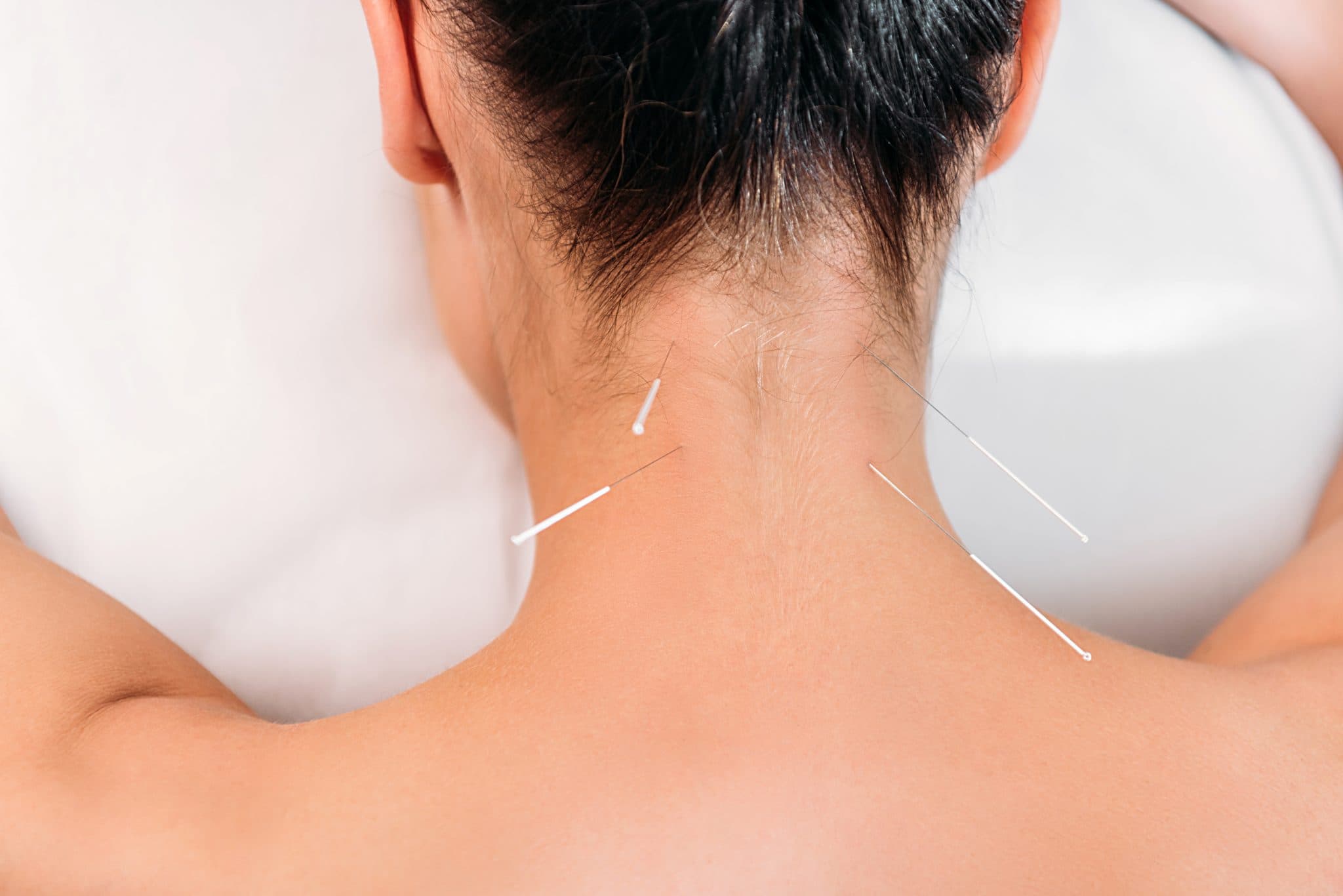
The short answer
- What it is
Very fine, single-use needles placed into tight or tender spots in muscle to reduce pain and tension. Nothing is injected, which is why it's called "dry".
- How it feels
Usually a light tap, then a dull ache or a quick muscle twitch. Most people find it less painful than they expected.
- Good to know
It works best as one part of treatment, not on its own. You can always say no and ask for a hands-on alternative.
If you've seen a myotherapist in the past few years, there's a good chance they've offered to "pop a few needles in". For some people that's a welcome suggestion. For others it's a reason to cancel the next appointment.
Both reactions make sense. Dry needling is useful for some problems and unnecessary for others, and you should never feel pushed into it. This guide explains how it works so you can make the decision yourself.
What dry needling is
Dry needling uses very fine, solid needles, the same kind used in acupuncture, inserted into areas of muscle that are tight, tender or contributing to your pain. These areas are often called myofascial trigger points. Pressing on one can reproduce your familiar ache, sometimes in a different place, such as a spot in the upper shoulder that sends pain into the side of the head.
"Dry" simply means nothing is injected. The needle itself does the work. The therapist may leave it in place for a short time, move it gently, or insert and remove it quickly to bring on a small muscle twitch.
In Australia it's mostly offered by myotherapists and physiotherapists, and by some remedial massage therapists, who have done additional dry needling training on top of their main qualification.
Dry needling vs acupuncture
The needles may look the same, but the thinking behind the two techniques is different.
| Dry needling | Acupuncture | |
|---|---|---|
| Basis | Western anatomy and the study of muscle and pain | Traditional Chinese medicine, plus Western medical acupuncture |
| Where needles go | Into tight or tender muscle the therapist finds by touch | Into acupuncture points along meridians, which may be far from the painful area |
| Usual length | A few seconds to several minutes, as part of a wider treatment | Often 20 to 30 minutes, as the main treatment |
| Who provides it | Myotherapists and physios with extra training | Registered acupuncturists and Chinese medicine practitioners, and some doctors and physios |
- Dry needling
- Western anatomy and the study of muscle and pain
- Acupuncture
- Traditional Chinese medicine, plus Western medical acupuncture
Basis
- Dry needling
- Into tight or tender muscle the therapist finds by touch
- Acupuncture
- Into acupuncture points along meridians, which may be far from the painful area
Where needles go
- Dry needling
- A few seconds to several minutes, as part of a wider treatment
- Acupuncture
- Often 20 to 30 minutes, as the main treatment
Usual length
- Dry needling
- Myotherapists and physios with extra training
- Acupuncture
- Registered acupuncturists and Chinese medicine practitioners, and some doctors and physios
Who provides it
In Australia, the title "acupuncturist" is protected and practitioners must be registered through AHPRA. Dry needling isn't a registered profession in the same way, so it's worth asking about your therapist's training (see the questions below).
What it feels like
The needles are much thinner than the ones used for injections or blood tests. Most people barely feel them go through the skin. They might notice a light tap from the guide tube the therapist uses to insert the needle.
What you do notice is the muscle response. That might be a dull, heavy ache, a feeling of pressure or a quick involuntary twitch in the muscle. Twitches can feel strange the first time. They're brief, and many therapists see them as a sign the needle has reached the right spot.
Most people describe it as a deep ache or a twitch rather than a sharp pain, and less unpleasant than they'd feared.
You can ask your therapist to stop at any time. A good therapist will tell you what they're about to do, check in as they go and start with fewer needles at your first session.
What it can help with
Research suggests dry needling can reduce pain and improve movement in the short term for some muscle-related pain, particularly neck and shoulder pain, some types of headache and some low back pain. Results vary between studies and between people. For most problems it works best combined with other treatment, such as hands-on work and exercise, rather than as a replacement.
Situations where therapists commonly use it:
- Neck and upper-shoulder tightness, especially with headaches
- Jaw and TMJ pain where the chewing muscles are involved
- Stubborn tightness in large muscles such as the glutes, calves and lower back
- Sports niggles where a tight muscle is limiting movement
- When firm hands-on pressure on an area is too uncomfortable
It isn't a cure for structural problems such as a disc injury, arthritis or a torn tendon. It may ease the muscle tension that comes with them, but it doesn't change the underlying condition.
Side effects and safety
When done by a trained practitioner using single-use sterile needles, dry needling is generally considered low risk. Common, short-lived effects include:
Soreness in the treated area for 24 to 48 hours, similar to the day after a workout
Small bruises or a spot of bleeding where a needle went in
Feeling tired, light-headed or faint, particularly in your first session or if you haven't eaten
Serious complications are rare. The most important is a pneumothorax (collapsed lung) from needling over the chest wall or upper back. This is one reason training matters: a well-trained therapist knows which areas need extra care, and adjusts the needle angle and depth or avoids those areas.
Seek medical help
If you become short of breath, develop chest pain or have a sharp pain when breathing after needling around the chest, shoulders or upper back, seek medical attention promptly. Call 000 if it's severe.
When to skip it
Tell your therapist if any of these apply. Dry needling may not be suitable, or may need to be adapted:
- You have a strong fear of needles. Hands-on alternatives work too.
- You take blood thinners or have a bleeding disorder.
- You're pregnant, especially in the first trimester.
- You have lymphoedema, or are at risk of it in a limb. Needling is generally avoided in that area.
- You have a skin infection, broken skin or a recent wound in the area.
- You have a weakened immune system, diabetes affecting your skin or circulation, or a metal allergy.
- You've recently had surgery in the area.
What to ask your therapist
What dry needling training have you done, and how recently? Courses vary, so a specific answer is a good sign.
Why do you think it will help my problem specifically?
How many needles, and where?
What would you do instead if I'd rather not? There should always be an alternative.
Do you use single-use sterile needles and dispose of them in a sharps container? The answer should be yes.
On the directory, you can select Dry needling under "Browse by therapy" to see therapists who offer it, then read each profile to see how they describe their approach.
Ready to look?
Find a therapist who offers dry needling
Search by suburb, therapy or what you're dealing with. Every listing is checked against a national association register.
This guide is general information, not medical advice. Whether dry needling is suitable for you depends on your health history, so discuss it with your therapist, and with your GP if you have a medical condition or take blood thinners.
Find a myotherapist near you
Every practitioner in the directory is verified before their listing goes live. Search by suburb, therapy or health fund.
Related articles
- Myotherapy12 Oct 2026
Sports massage before and after a big run: getting the timing right.
Spring in Victoria is fun-run season, and plenty of runners book a massage somewhere between the last long run and the finish line. Timing matters. Here's when massage is most useful, what to expect, and what it can and can't do for recovery.
MyoFitness Team · 5 min read - Myotherapy11 Oct 2026
Neck and shoulder pain from desk work: what is actually going on
It is rarely the posture itself. It is how long the same posture is held without a break — and the tissue changes that follow are treatable, usually faster than people expect.
MyoFitness Team · 8 min read - Jaw & TMJ20 Oct 2026

What your headaches could actually be coming from.
Most headaches aren't a sign of anything serious, but working out what's behind yours makes a big difference to what helps. Here are the most common sources, where a myotherapist can help, and the signs that mean you should see a doctor first.
MyoFitness Team · 7 min read
