
Sports massage before and after a big run: getting the timing right.
Spring in Victoria is fun-run season, and plenty of runners book a massage somewhere between the last long run and the finish line. Timing matters. Here's when massage is most useful, what to expect, and what it can and can't do for recovery.
The short answer
- Before the race
Book your last firm session at least several days out. In the final 48 hours, keep it light or skip it. Race week isn't the time to try something new.
- After the race
Give your body a couple of days first. A gentle session 24 to 72 hours later can help you feel less sore.
- Set expectations
Massage may ease soreness and help you feel recovered, but sleep, food, fluids and an easy return to running do most of the work.
Whether it's your first 10 km fun run or your fifth marathon, a big race takes weeks of build-up. Along the way, legs get tight, niggles appear, and many runners turn to sports massage to stay on track.
Massage can be a useful part of training and recovery, but when you book it matters. A firm session the day before a race can leave you feeling flat or sore at the start line. This guide sets out a simple timeline.
During your training block
This is where massage tends to be most useful. Regular sessions through a training block, for example every two to four weeks, give a therapist a chance to:
The short version
- Work on areas that tighten up as your mileage builds, such as calves, hamstrings, quads and hips
- Spot niggles early, before they become injuries that cost you weeks
- Suggest changes to your load, footwear or strength work
- Refer you to a physio or doctor if something needs a closer look
Try to schedule firmer sessions after an easy day or a rest day, not right before a key session like a long run or intervals.
In the week before race day
Most therapists and runners follow a similar rule of thumb: the closer to race day, the lighter the massage.
| Timing | Suggested approach |
|---|---|
| 5 to 7 days before | A good time for your last firmer session, if that's what you're used to |
| 2 to 4 days before | Moderate to light work only, focused on feeling loose and comfortable |
| The last 48 hours | A short, light session or none at all. Avoid deep work or new techniques |
- Suggested approach
- A good time for your last firmer session, if that's what you're used to
5 to 7 days before
- Suggested approach
- Moderate to light work only, focused on feeling loose and comfortable
2 to 4 days before
- Suggested approach
- A short, light session or none at all. Avoid deep work or new techniques
The last 48 hours
If you've never had a sports massage, race week isn't the time to try one for the first time. Deep tissue work, dry needling or cupping can leave you sore for a day or two, and you want fresh legs on the start line.
Nothing new in race week. That goes for shoes, breakfast, gels and massage.
On race day
Some events have massage tents. Before the start, a brief, light, brisk massage is fine if you're used to it, but your warm-up matters far more. After the finish, a gentle session in the recovery area can feel good. Keep it light, because your muscles have just done a lot of work.
Before any post-race massage, make sure you've had something to drink and eat, and that you feel well. If you feel faint, confused or unwell, go to the medical tent instead.
After the race
Soreness after a long race usually peaks a day or two later. That's a normal response to hard exercise, sometimes called delayed-onset muscle soreness.
| First 24 hours | 24 to 72 hours | The following weeks |
|---|---|---|
| Eat, drink, rest and try gentle walking. Skip firm massage | A light to moderate massage can help you feel less sore and stiff | Ease back into running gradually. A follow-up session can help with any lingering tightness |
- 24 to 72 hours
- A light to moderate massage can help you feel less sore and stiff
- The following weeks
- Ease back into running gradually. A follow-up session can help with any lingering tightness
Eat, drink, rest and try gentle walking. Skip firm massage
If a sore spot gets worse instead of better over the following week, or you have pain in one specific place on a bone, don't massage it and keep running. Get it checked.
What massage can and can't do
It's worth being realistic. Research suggests massage after hard exercise may modestly reduce how sore you feel and help you feel more recovered. The evidence that it speeds up physical recovery or improves your next performance is less convincing.
That doesn't make it pointless. Feeling less sore and more relaxed has real value, and a skilled therapist's eyes and hands can catch problems early. Recovery still mostly comes down to:
The short version
- Good sleep
- Enough food, especially carbohydrate and protein, and fluids
- A gradual return to running, starting with a few easy days
Choosing a therapist
Look for a remedial or sports massage therapist, or a myotherapist, who:
- Works with runners regularly and understands training blocks
- Asks about your race date and plans sessions around it
- Can adjust pressure to where you are in your training
- Will tell you honestly when something needs a physio or doctor
On the directory, filter by Sports Massage or Sports injury. Many sports therapists have evening or weekend appointments, which helps around training.
Book early in race season
Therapists who work with runners often get busy in the weeks before big spring events. If you want a session in race week, book it as soon as you have your race date.
When to see a doctor
After a long race, call 000 or get to the medical tent or an emergency department if you have:
- Chest pain, a racing or irregular heartbeat, or trouble breathing
- Confusion, severe headache, vomiting or collapse
- Very dark or cola-coloured urine, or not passing urine
See your GP or a physio in the days after if you have:
- Sharp pain in one spot on a bone that's worse when you walk or run
- Swelling, redness or pain in one calf
- A joint that has swollen up or gives way
- Soreness that's getting worse after a week instead of better
Ready to look?
Find a sports massage therapist
Search by suburb, therapy or what you're dealing with. Every listing is checked against a national association register.
This guide is general information, not medical advice. If you're injured or have a health condition, check with your GP or treating practitioner before a big event, and see a doctor about any of the warning signs above.
Find a myotherapist near you
Every practitioner in the directory is verified before their listing goes live. Search by suburb, therapy or health fund.
Related articles
- Myotherapy18 Oct 2026
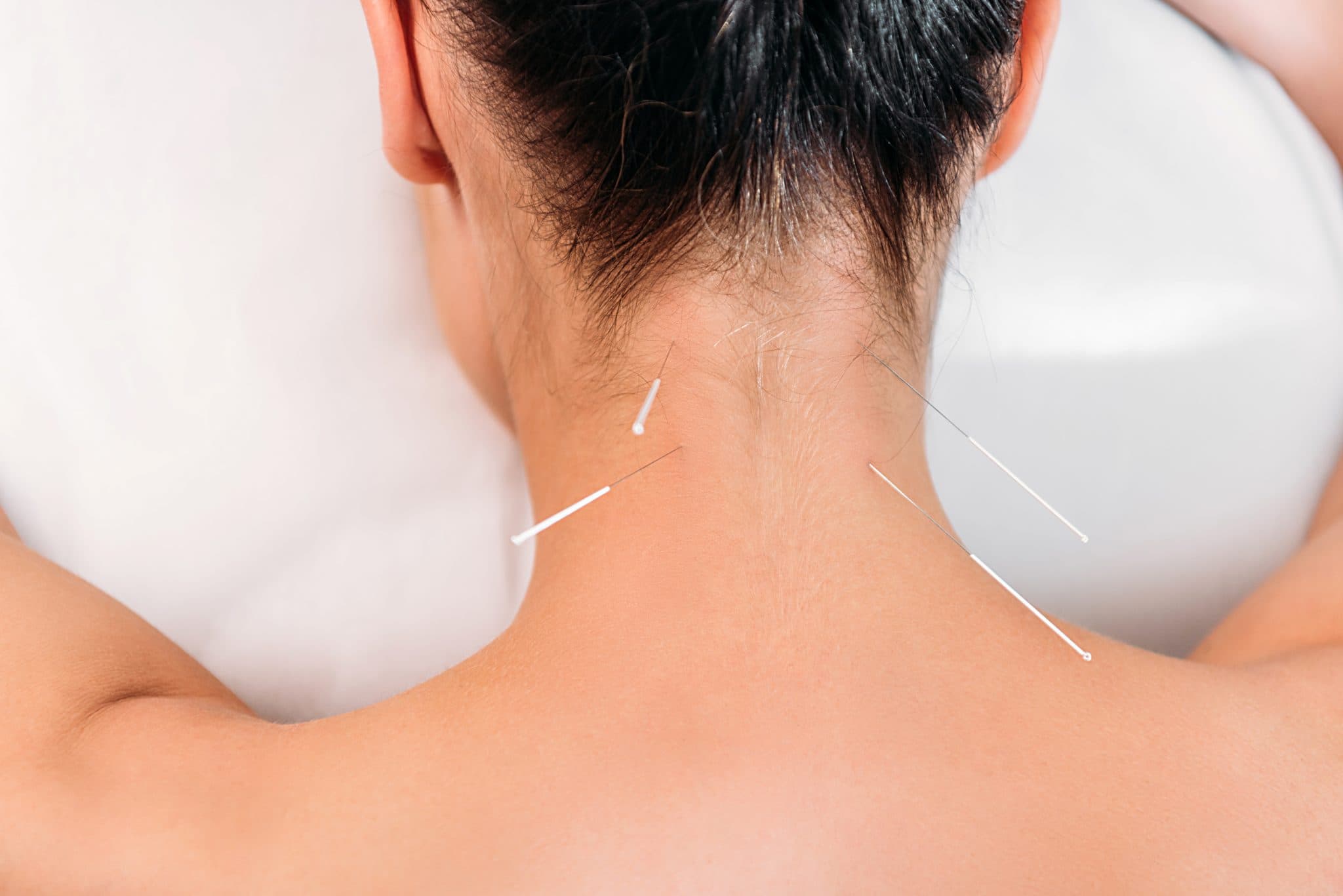
Dry needling: what it is, and whether it's for you.
Dry needling is now one of the most common techniques offered by myotherapists, but the name makes many people nervous. Here's what's actually involved, what it does and doesn't do, and what to ask before you agree to it.
MyoFitness Team · 6 min read - Myotherapy11 Oct 2026
Neck and shoulder pain from desk work: what is actually going on
It is rarely the posture itself. It is how long the same posture is held without a break — and the tissue changes that follow are treatable, usually faster than people expect.
MyoFitness Team · 8 min read - Jaw & TMJ20 Oct 2026
What your headaches could actually be coming from.
Most headaches aren't a sign of anything serious, but working out what's behind yours makes a big difference to what helps. Here are the most common sources, where a myotherapist can help, and the signs that mean you should see a doctor first.
MyoFitness Team · 7 min read
