
Lymphoedema after cancer treatment: finding the right therapist.
Lymphoedema can show up months or even years after surgery or radiotherapy, and it often catches people off guard just as life is getting back to normal. With the right care it can usually be managed well. Here's what that care looks like and how to find someone trained to provide it.
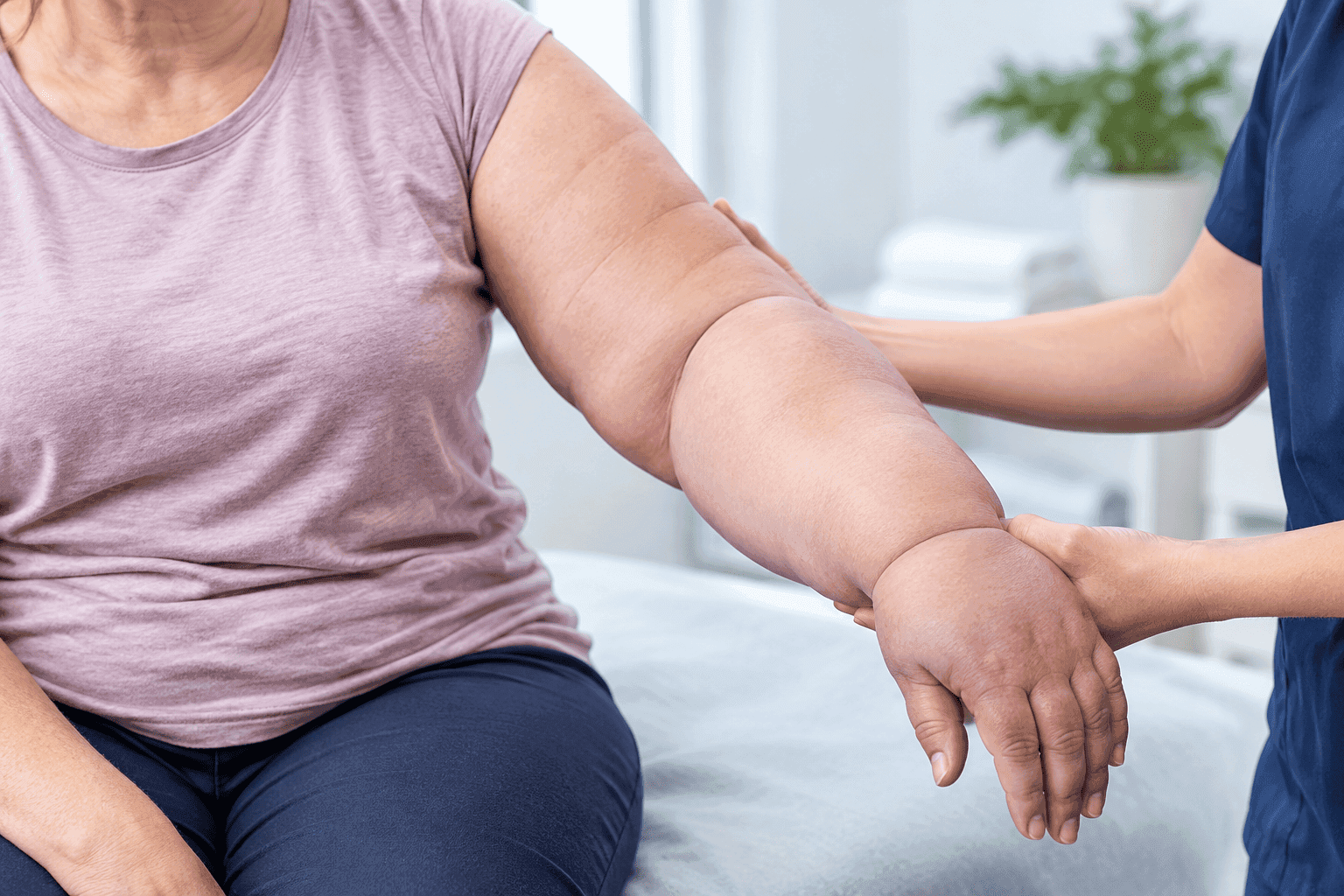
The short answer
- What it is
Ongoing swelling, most often in an arm or leg, that happens when lymph nodes or vessels have been affected by cancer surgery or radiotherapy.
- What helps
A combination of gentle lymphatic drainage, compression, skin care and exercise, tailored by a therapist with specialist lymphoedema training.
- Who to see
A lymphoedema practitioner, ideally one listed on the Australasian Lymphology Association's national register. Ask your treating team for a referral if you're not sure where to start.
Many people are told about lymphoedema briefly in the rush of cancer treatment, then don't think about it again until a ring feels tight, a sleeve won't button or one ankle looks puffier than the other at the end of the day. If that's you, you're not alone, and acting early makes a real difference.
This guide explains what lymphoedema is, what good treatment looks like and how to find a therapist with the right training.
What lymphoedema is
Your lymphatic system is a network of fine vessels and nodes that collects fluid from your tissues and returns it to your bloodstream. Cancer surgery that removes lymph nodes, or radiotherapy to an area with nodes, can reduce how well that network drains. When fluid builds up faster than it can be cleared, the result is lymphoedema.
It's most commonly seen in the arm after breast cancer treatment and in the legs after treatment for gynaecological, prostate or bowel cancers and melanoma, but it can affect other areas too, including the breast, trunk, head and neck. It can develop soon after treatment or years later.
Lymphoedema is usually a long-term condition. The aim of treatment is to reduce swelling, keep it under control and lower the risk of complications, so it fits into your life instead of running it.
Early signs to watch for
- A feeling of heaviness, fullness or tightness in an arm, leg, breast or the trunk
- Rings, watches, bras or shoes that feel tighter on one side
- Visible swelling that may come and go at first, often worse at the end of the day or in hot weather
- Aching, or skin that feels firmer or thicker than usual
- Reduced movement in a nearby joint
Don't wait it out
Early lymphoedema is generally easier to manage than swelling that has been there for a long time. If you notice any of these signs, tell your GP or treating team and ask about a referral to a lymphoedema practitioner.
What treatment involves
Lymphoedema care usually combines several parts, adjusted to how much swelling you have and how long it's been there. You may hear this combination called complete decongestive therapy.
| Part of treatment | What it involves |
|---|---|
| Manual lymphatic drainage (MLD) | Very light, slow, rhythmic hands-on technique that aims to move fluid towards areas that are draining well |
| Compression | Bandaging to reduce swelling, then fitted compression garments or adjustable wraps to keep it down |
| Skin care | Keeping skin clean and moisturised and protecting it from cuts, bites and burns, to lower the risk of infection |
| Exercise | Movement that helps the muscle pump move fluid, usually while wearing compression |
| Self-management | Learning simple self-massage and garment care so you can look after it between appointments |
- What it involves
- Very light, slow, rhythmic hands-on technique that aims to move fluid towards areas that are draining well
Manual lymphatic drainage (MLD)
- What it involves
- Bandaging to reduce swelling, then fitted compression garments or adjustable wraps to keep it down
Compression
- What it involves
- Keeping skin clean and moisturised and protecting it from cuts, bites and burns, to lower the risk of infection
Skin care
- What it involves
- Movement that helps the muscle pump move fluid, usually while wearing compression
Exercise
- What it involves
- Learning simple self-massage and garment care so you can look after it between appointments
Self-management
It's worth being clear about what the evidence says. Compression is generally considered the foundation of treatment. Studies on whether MLD adds benefit on top of compression have had mixed results, so MLD works best as one part of a full plan, not on its own. A good therapist will talk you through this honestly.
The best lymphoedema care teaches you to manage it yourself, so you aren't relying on appointments forever.
Finding a trained therapist
Lymphoedema treatment needs more training than general massage. Practitioners come from different backgrounds, including physiotherapy, occupational therapy, nursing and massage therapy, and have completed specialist lymphoedema training on top of that.
What to look for
- Listing on the National Lymphoedema Practitioners Register, run by the Australasian Lymphology Association. It lists practitioners who have completed recognised lymphoedema training and keep up their professional development.
- Experience with your type of lymphoedema, for example after breast cancer, or in the legs.
- Willingness to work with your treating team, such as your breast care nurse, surgeon or oncologist.
- A focus on teaching you self-management, not just booking you in indefinitely.
On the directory, filter by Lymphoedema & swelling or Manual Lymphatic Drainage, then check each profile for training and registration details. Some therapists also offer Oncology Massage for people during or after cancer treatment.
Your first appointment
A first lymphoedema appointment is usually longer than a standard massage, often around 90 minutes. Expect:
History
Your cancer treatment, other health conditions, medications and when the swelling started
Measurement
Limb measurements at set points, and sometimes other assessments, to give a baseline for tracking change
Treatment and plan
Often some MLD, plus advice on compression, skin care and what to do at home
Bring any letters from your treating team, a list of your medications and any compression garments you already own.
Help with garment costs
Compression garments need replacing regularly and the cost adds up. Victoria has a Lymphoedema Compression Garment Program, run through the State-wide Equipment Program (SWEP), which provides subsidies towards garments for eligible Victorians diagnosed with lymphoedema. Ask your lymphoedema practitioner about applying.
Some private health extras policies also contribute towards garments or lymphoedema treatment. Check with your fund what's covered and which provider categories they accept.
When to see a doctor
Some symptoms need prompt medical attention, not a therapy appointment. Contact your GP or treating team urgently, or call 000 if you feel very unwell, if you notice:
Redness, heat, pain or spreading rash in the swollen area, especially with fever, chills or feeling unwell. This can be cellulitis, an infection that needs antibiotics quickly.
Sudden swelling in one limb, particularly with calf or arm pain, which can be a sign of a blood clot.
New swelling after cancer treatment that hasn't been checked yet. Your treating team will want to assess it.
Shortness of breath or chest pain. Call 000.
Lymphatic drainage is usually paused during an active infection or an untreated blood clot. A trained therapist will check for these and refer you back to your doctor if needed.
Ready to look?
Find a lymphoedema therapist near you
Search by suburb, therapy or what you're dealing with. Every listing is checked against a national association register.
This guide is general information, not medical advice. If you've had cancer treatment, talk to your treating team about any new swelling before starting therapy, and keep them informed about the care you're receiving.
Find a myotherapist near you
Every practitioner in the directory is verified before their listing goes live. Search by suburb, therapy or health fund.
Related articles
- Lymphatic Drainage9 Oct 2026
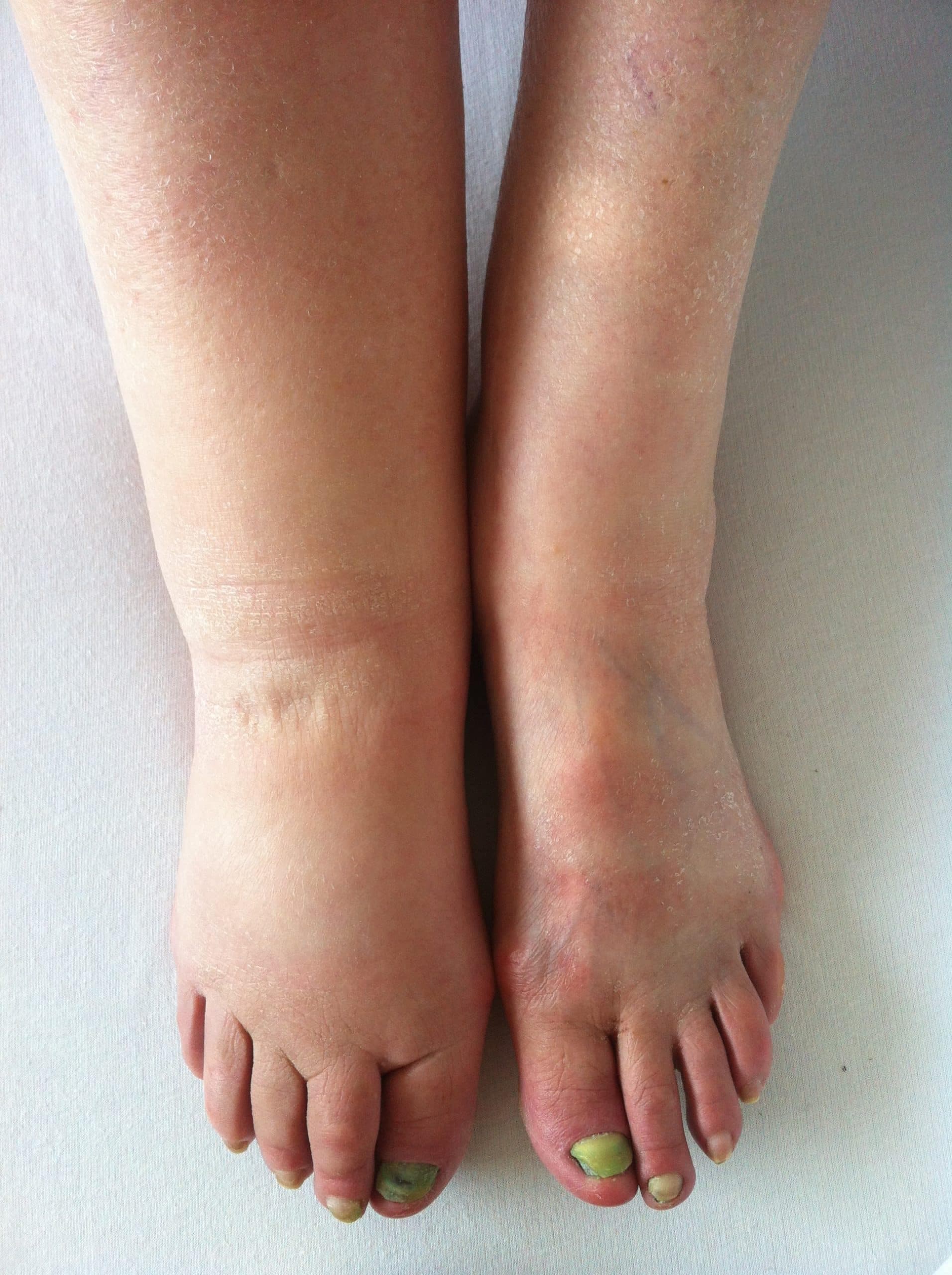
Lymphoedema and chronic swelling: how does lymphatic drainage work?
Lymphoedema is incurable but highly manageable — and the thing that decides which of those two words you live with is how early professional drainage starts.
MyoFitness Team · 8 min read - Jaw & TMJ20 Oct 2026

What your headaches could actually be coming from.
Most headaches aren't a sign of anything serious, but working out what's behind yours makes a big difference to what helps. Here are the most common sources, where a myotherapist can help, and the signs that mean you should see a doctor first.
MyoFitness Team · 7 min read - Injury & Recovery19 Oct 2026
Why your back pain keeps coming back, even after massage.
You book a massage, walk out feeling looser, and a week or two later the same ache is back. It's one of the most common stories therapists hear. Here's what's usually going on, and what tends to make a longer-lasting difference.
MyoFitness Team · 7 min read