
Lymphoedema and chronic swelling: how does lymphatic drainage work?
Lymphoedema is incurable but highly manageable — and the thing that decides which of those two words you live with is how early professional drainage starts.
The short version
- Lymphoedema is chronic swelling caused by impaired lymphatic drainage, not by fluid you drank.
- It is incurable but highly manageable, and untreated it worsens rather than staying put.
- Drainage is first-line treatment, not an optional extra alongside compression.
- Early drainage after a risk event is the single biggest lever on the outcome.
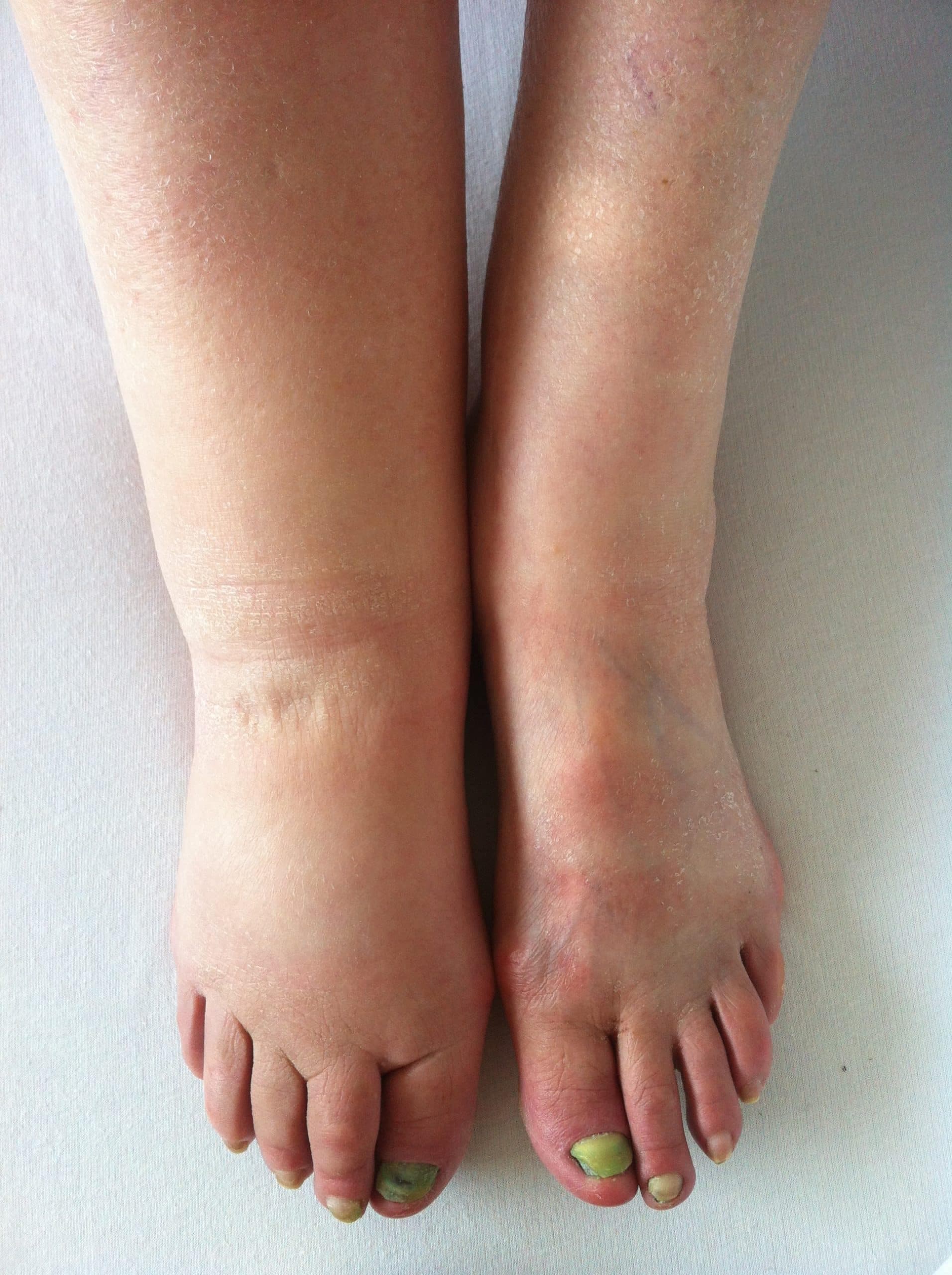
Lymphoedema is chronic swelling caused by impaired lymphatic drainage, resulting in fluid accumulation in limbs and tissues. Whether primary, from birth or developmental lymphatic abnormalities, or secondary, from cancer treatment, surgery or trauma, lymphoedema creates progressive swelling, heaviness, pain and significantly compromised quality of life.
Lymphatic drainage is first-line treatment for lymphoedema management — not optional, but essential to preventing progression and maintaining limb function. Professional lymphatic drainage combined with compression and self-care reduces limb volume, restores function and fundamentally improves lives.
Who this applies to
- Primary lymphoedema, present from birth or developing later
- Secondary lymphoedema after cancer treatment or radiation
- Post-surgical swelling that has not resolved
- Swelling following trauma to a limb
- Chronic oedema with heaviness, tightness or reduced movement
- Anyone recently through a lymphoedema risk event
Why fluid accumulates, and why it matters
Lymphoedema develops when lymphatic vessels are damaged or removed, in secondary lymphoedema, or underdeveloped, in primary lymphoedema, impairing the system’s ability to move lymphatic fluid. Fluid accumulates in tissues, causing progressive swelling.
Without treatment, swelling worsens, tissues become fibrotic — they develop scar tissue — and limb function deteriorates. Stagnant lymph also increases infection risk, creating a cascade of complications. Early professional intervention prevents this progression.
Patients receiving early lymphatic drainage after cancer surgery showed 50% less lymphoedema development compared to delayed or no intervention groups.
That finding, published in the Journal of Surgical Oncology, is the reason timing is treated as clinical rather than administrative. Beginning lymphatic drainage soon after a lymphoedema risk event — surgery, radiation, trauma — is crucial for both prevention and management.
The numbers that shape a plan
less lymphoedema development when drainage begins early after cancer surgery
is where most patients start, tapering to weekly as swelling stabilises
is typical maintenance treatment, continued indefinitely rather than stopped
The three stages
Staging decides how aggressive treatment needs to be, and how much is still reversible.
- Stage 1
Reversible — pitting oedema
Early-stage swelling that reduces with elevation. Aggressive lymphatic drainage at this point can prevent progression to the later stages entirely.
- Stage 2
Tissue changes — fibrosis develops
Swelling becomes less reversible and fibrotic tissue develops. Professional lymphatic drainage slows progression and reduces tissue damage.
- Stage 3
Advanced — significant disability
The limb is grossly enlarged and function is severely compromised. Early professional treatment is what prevents anyone reaching this stage.

Why measurement is part of treatment
Swelling changes slowly enough that neither you nor a clinician can judge it by eye from week to week. Limb measurements turn that into something visible, and they are what a change in frequency is decided on.
- Baseline volume recorded before active treatment begins.
- Repeat measurement as sessions progress, not only at discharge.
- Frequency moved from active management to maintenance on the numbers.
Primary and secondary lymphoedema
Both are managed the same way. Where they differ is in what caused them and when treatment can start.
Primary
- Present from birth or developing later without an external cause.
- Lymphatic vessels are underdeveloped rather than damaged.
- Often first noticed in adolescence or early adulthood.
- Managed lifelong, with maintenance treatment as the baseline.
Secondary
- Follows cancer treatment, surgery, radiation or trauma.
- Lymphatic vessels have been damaged or removed.
- Risk is known in advance, so drainage can begin before swelling does.
- Early intervention measurably reduces how much develops.
Compression alone is not management
Compression is essential, but insufficient on its own. It maintains the effect of lymphatic drainage between treatments; it does not actively remove stagnant fluid. The two work together, and neither substitutes for the other.
What comprehensive management includes
The protocol combines professional drainage with compression guidance, measurement and education. Every part is adjusted to your lymphoedema type, severity and contributing factors.

Detailed lymphoedema assessment
We assess your lymphoedema, including the type, severity, swelling pattern and contributing factors, to understand your individual needs.

Manual lymphatic drainage
Gentle manual lymphatic drainage techniques are used to encourage fluid movement and support effective swelling management.

Compression therapy guidance
We provide guidance on compression garments and their appropriate use as part of your personalised lymphoedema management plan.

Monitor limb volume
Limb measurements help monitor changes in swelling over time and assess how your treatment plan is progressing.

Home self-management
You receive practical education on self-drainage techniques, gentle movement and other strategies to support lymphoedema management between appointments.

Ongoing personalised care
Your treatment plan is reviewed as your swelling changes, with treatment frequency adjusted from active management towards maintenance when appropriate.
What happens without management
Each of these is progressive, and none of them plateaus on its own — which is why waiting is the one plan that does not work.

Swelling increases
Fluid continues to accumulate in the tissues. What reduced overnight with elevation stops reducing, and the limb no longer returns to its morning size.

Tissues become fibrotic
Scar tissue develops within the swollen tissue. The limb becomes firmer, less responsive to drainage, and the change is far harder to reverse than to prevent.

Infection risk rises
Stagnant lymph is a poor defence against infection. Cellulitis becomes more likely, and each episode can further damage the lymphatic system.

Limb function deteriorates
Heaviness, restricted range and reduced strength compound. The limb is used less, which slows lymph movement further and accelerates the cycle.
How treatment is paced
Frequency is not fixed. It is set from severity and progression, then changed as the limb responds.
Active management
- Twice weekly to start
- Measured at intervals, not by feel
- Compression fitted and reviewed alongside
Most patients begin with two sessions weekly while swelling is being brought down and the tissue is most responsive.
Stabilising
- Weekly as volume holds
- Home technique checked and corrected
- Garment use reviewed for fit and wear
As swelling stabilises, sessions taper to weekly. Self-drainage and movement strategies carry more of the work between appointments.
Maintenance
- Monthly, ongoing
- Re-assessed when swelling changes
- Frequency raised again after a flare or infection
Maintenance treatment is typically one session monthly, continued indefinitely — lymphoedema is managed, not finished.
Manageable is the accurate word
With professional lymphatic drainage, compression and self-care, swelling can be significantly reduced and progression prevented. Most people who start early maintain excellent limb function and quality of life.
Common questions
About lymphoedema, drainage and long-term management.
Is lymphoedema curable?
No, lymphoedema is incurable but highly manageable. With professional lymphatic drainage, compression and self-care, swelling can be significantly reduced and progression prevented. Early treatment and ongoing management allow most lymphoedema patients to maintain excellent limb function and quality of life.
How often do I need lymphatic drainage if I have lymphoedema?
Treatment frequency depends on lymphoedema severity and progression. Most patients begin with two sessions weekly, tapering to weekly as swelling stabilises. Maintenance treatment is typically one session monthly indefinitely. We assess your specific needs and adjust frequency based on how you respond.
Can compression alone manage my lymphoedema?
Compression is essential but insufficient alone. Compression maintains the effects of lymphatic drainage between treatments but does not actively remove stagnant fluid. Professional lymphatic drainage combined with compression provides optimal lymphoedema management — the two work together.
Will my lymphoedema get worse without treatment?
Yes. Without professional management, lymphoedema progressively worsens. Swelling increases, tissues become fibrotic, infection risk rises and limb function deteriorates. Early professional treatment prevents this progression and maintains optimal health.
What does a lymphoedema assessment actually involve?
We assess the type of lymphoedema, its severity, the pattern of swelling and the factors contributing to it, then measure limb volume as a baseline. From that we design an individualised plan covering treatment frequency, compression guidance, self-drainage technique and movement strategy, and we review it as your swelling changes.
Find a myotherapist near you
Every practitioner in the directory is verified before their listing goes live. Search by suburb, therapy or health fund.
Related articles
- Lymphatic Drainage16 Oct 2026
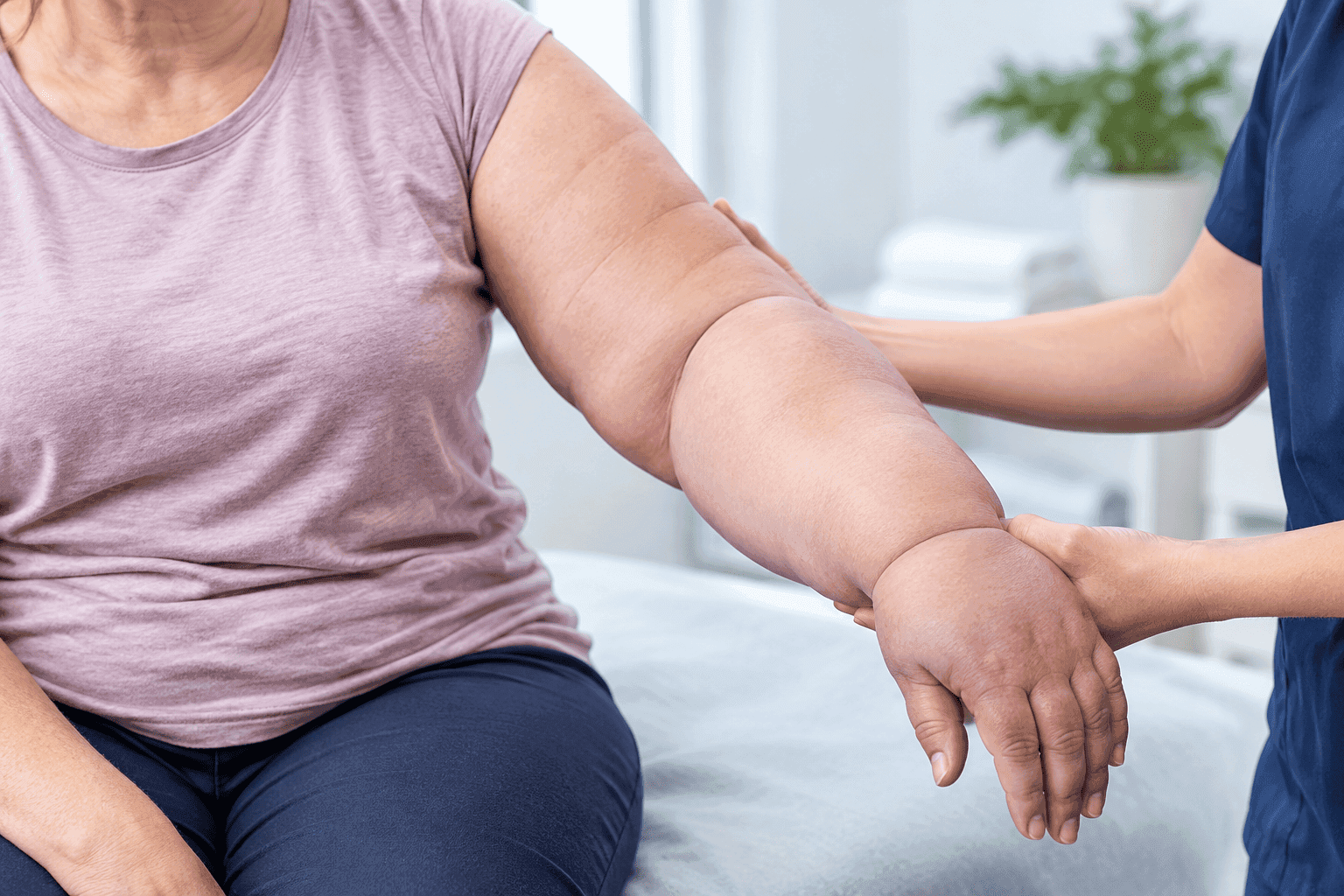
Lymphoedema after cancer treatment: finding the right therapist.
Lymphoedema can show up months or even years after surgery or radiotherapy, and it often catches people off guard just as life is getting back to normal. With the right care it can usually be managed well. Here's what that care looks like and how to find someone trained to provide it.
MyoFitness Team · 6 min read - Pregnancy & Postnatal7 Oct 2026
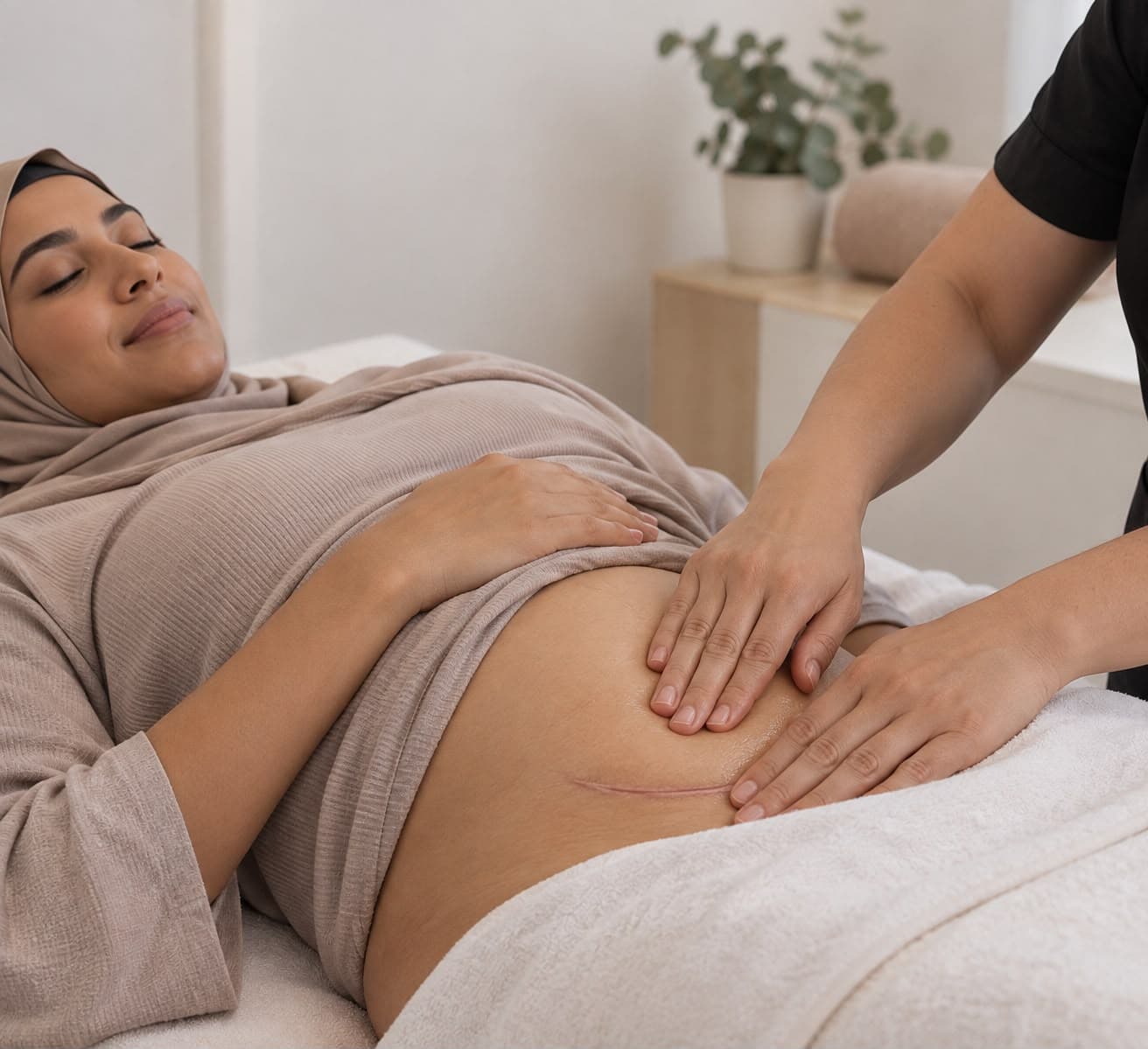
Postnatal C-section scar treatment: heal the scar, restore function
Your incision healed months ago. The tissue underneath may not have — and that is usually what is behind the pulling, the back pain, and a core that feels weak no matter how strong the muscles are.
MyoFitness Team · 11 min read - Remedial Massage27 Sept 2026
Remedial massage: what a session actually involves
Not a spa treatment with firmer pressure. An assessment, a plan, and hands-on work aimed at one specific thing — plus the part that happens after you leave.
MyoFitness Team · 7 min read