
Scar massage after surgery or a caesarean: when to start and what it can do.
Scars can feel tight, numb, itchy or tender long after the stitches come out. Gentle scar massage is one way some people help a scar feel more comfortable and move more freely. Timing matters, so here's what to know before you start.
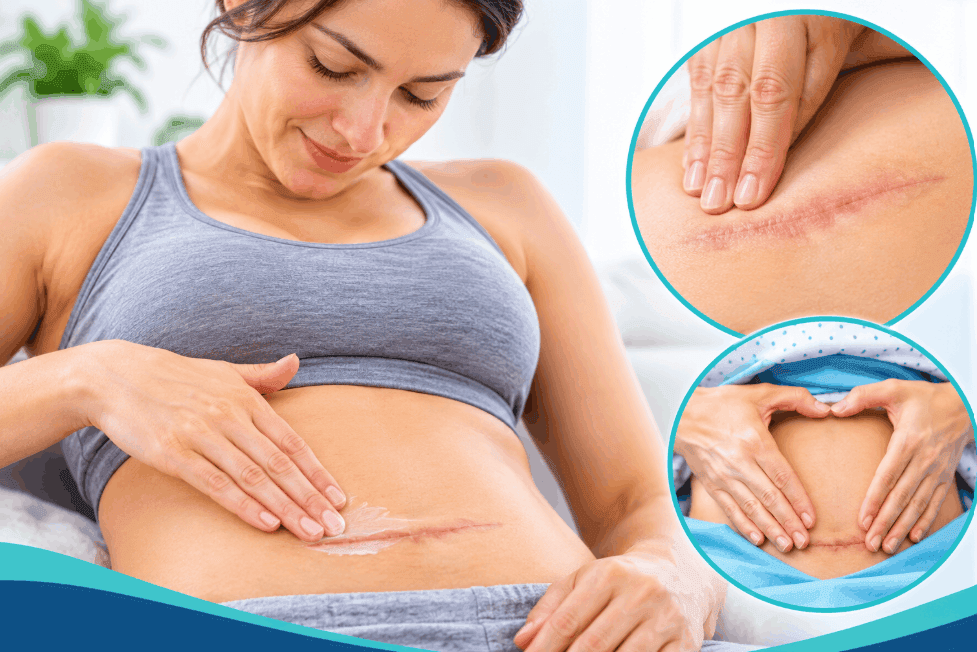
The short answer
- When to start
Only once the wound has fully closed, stitches or staples are out, there are no scabs, and your surgeon, GP or midwife has given the all-clear. After a caesarean, this is often around six weeks or later.
- What it may help
Tightness, sensitivity and how freely the skin moves over the scar. Evidence is limited, but it's low risk when started at the right time.
- What to watch for
Redness, heat, discharge, the wound opening, fever or a new bulge near the scar need a doctor, not massage.
After surgery, the body repairs the skin and tissue underneath by laying down new tissue. That's what forms a scar. Over the following months, the scar slowly remodels, often becoming flatter, paler and softer. For some people, though, it stays tight, tender, itchy or stuck down to the tissue underneath.
Scar massage is often suggested by surgeons, physios and myotherapists to help with this. It's simple and generally low risk, but it's important not to start too early.
Why scars can feel tight
Scar tissue is less elastic than normal skin, and as it heals it can bind to the layers underneath. That can make the area feel tight when you move, and the skin may pucker or dimple. Nerves in the area can also be affected, so it's common for a scar to feel numb, oversensitive or itchy for months.
Scars continue to change for a long time, often 12 to 18 months or more. Early on they tend to be pinker and raised, and they usually fade and flatten with time.
When it's safe to start
The wound
Fully closed, with no scabs, gaps, weeping or signs of infection
Stitches
All stitches, staples or strips removed or dissolved
Clearance
Your surgeon, GP or midwife has said it's okay to start
After a caesarean, many women are advised to wait until around their six-week check, and some will be advised to wait longer. Every surgery is different, so follow the advice of your treating team.
The right time to start scar massage is when the wound has fully healed and your doctor or midwife agrees, not before.
What it can help with
Research on scar massage is limited and mixed, partly because scars and surgeries vary so much. Some studies suggest it may help with:
- How freely the skin moves over the scar
- Tightness when you move or stretch
- Sensitivity, so the area becomes more comfortable to touch and wear clothes over
- Itch, in some people
It's less clear whether scar massage changes how a scar looks in the long term. Many people find it helps them feel more comfortable with the area, which is worthwhile in itself, especially after a caesarean or breast surgery.
What a therapist will do
A myotherapist or remedial massage therapist with experience in post-surgical care will:
The short version
- Ask about your surgery, healing and any advice from your surgeon or midwife
- Check the scar and the surrounding area, including how the skin moves and how sensitive it is
- Use gentle techniques around and then on the scar, adjusted to what's comfortable
- Work on related areas, such as the abdomen, hips or lower back after a caesarean, or the chest and shoulder after breast surgery
- Show you how to do it at home
After a caesarean, a women's health physiotherapist is also a great person to see for abdominal and pelvic floor recovery. On the directory, filter by Post-surgical recovery.
Massaging your own scar
Once you've been given the go-ahead and shown how by a health professional, a simple routine may look like this:
- Wash your hands and use a little plain, unscented moisturiser or oil
- Start by gently massaging the skin around the scar, not on it
- Move on to small circles along the scar, then gentle up-and-down and side-to-side movements
- Keep the pressure comfortable. It may feel a bit strange or tender, but it shouldn't be painful
- A few minutes once or twice a day is usually enough
For raised or thick scars, silicone gel or silicone sheets are a common, well-studied option. Ask your GP, surgeon or pharmacist whether they suit your scar. Keeping the scar protected from the sun also helps, as new scars can darken with sun exposure.
Raised or spreading scars
If a scar becomes very raised, thick, itchy or starts spreading beyond the original wound, see your GP. Some scars, such as keloids, need specific medical treatment.
When to see your doctor
Stop massaging and contact your GP, surgeon or midwife if you notice:
- Redness, heat or swelling around the scar
- Discharge, bleeding, or the wound opening
- Fever or feeling generally unwell
- Pain that's getting worse instead of better
- A new bulge or lump near the scar, especially when you cough or strain
Call 000 or go to an emergency department if you have severe pain, heavy bleeding, or feel very unwell.
Ready to look?
Find a therapist for post-surgical recovery
Search by suburb, therapy or what you're dealing with. Every listing is checked against a national association register.
This guide is general information, not medical advice. Always check with your surgeon, GP or midwife before starting scar massage, and follow any specific instructions they've given you.
Find a myotherapist near you
Every practitioner in the directory is verified before their listing goes live. Search by suburb, therapy or health fund.
Related articles
- Pregnancy & Postnatal7 Oct 2026
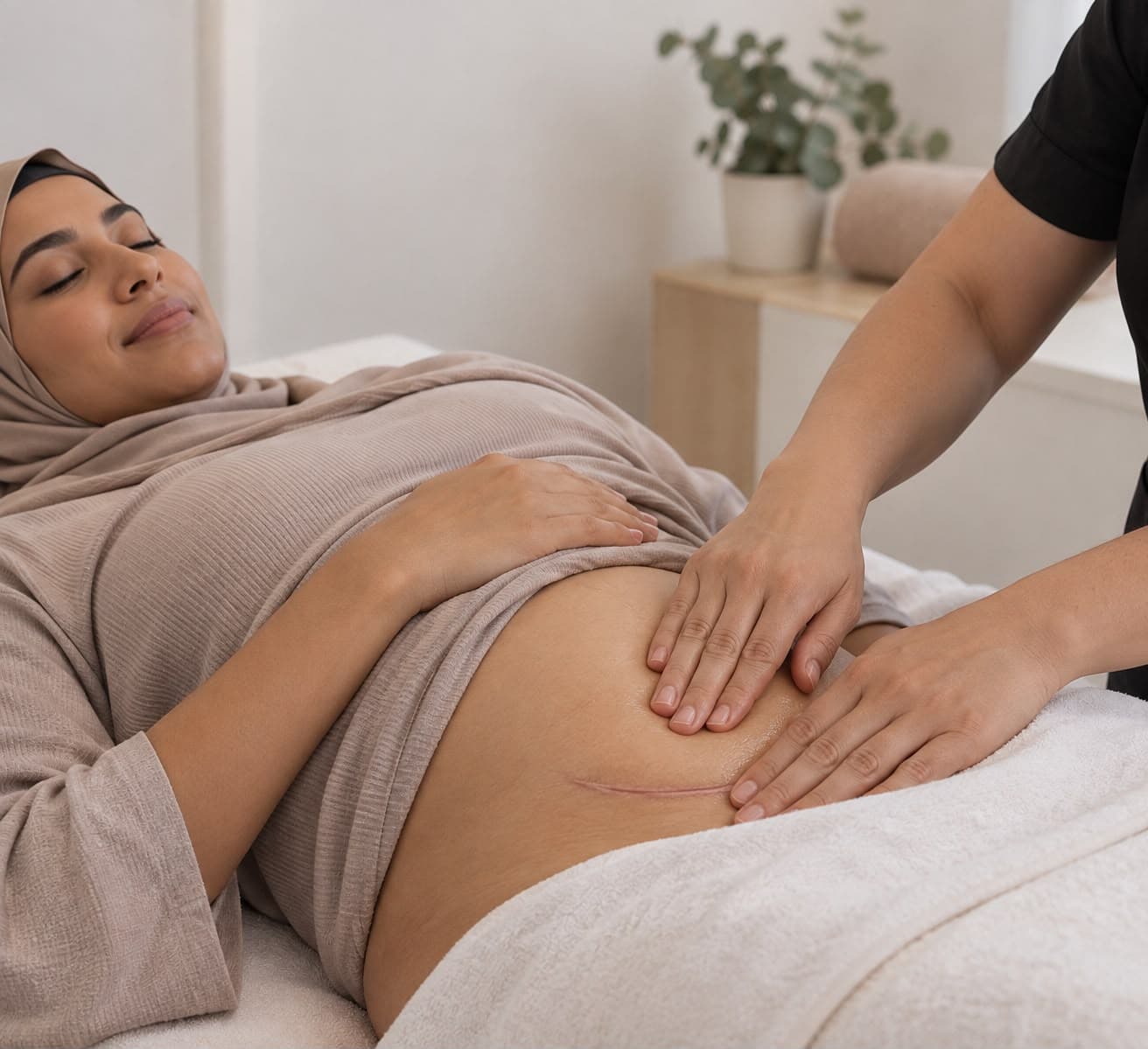
Postnatal C-section scar treatment: heal the scar, restore function
Your incision healed months ago. The tissue underneath may not have — and that is usually what is behind the pulling, the back pain, and a core that feels weak no matter how strong the muscles are.
MyoFitness Team · 11 min read - Myotherapy13 Nov 2026
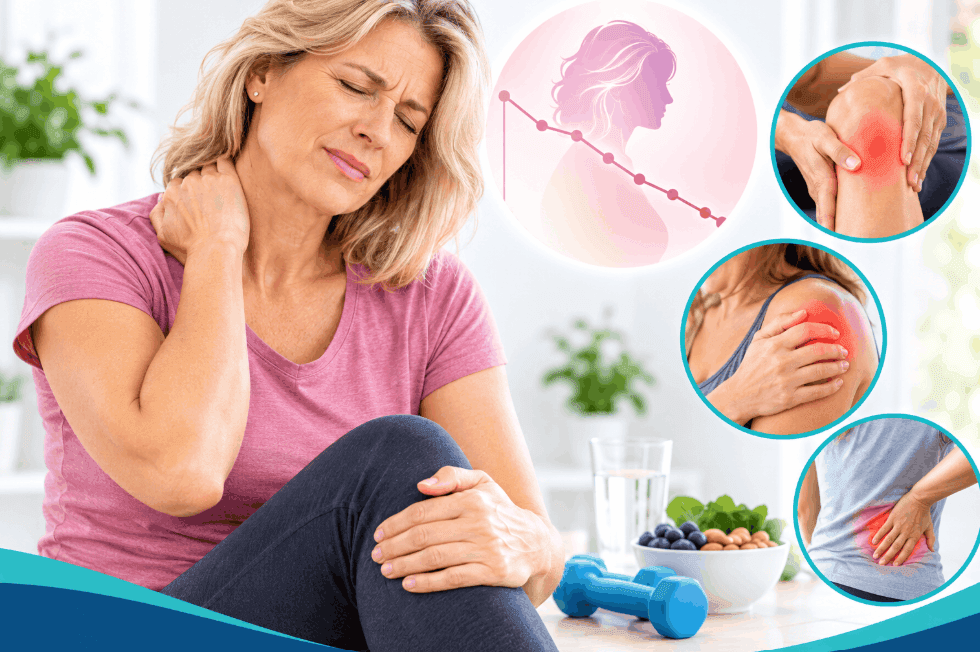
Menopause and muscle and joint aches: what's going on and what helps.
Hot flushes get most of the attention, but many women notice something else in their 40s and 50s: stiff joints, achy muscles and niggles that seem to come from nowhere. It's common, it's real, and there's plenty you can do about it.
MyoFitness Team · 4 min read - Wellness Tips9 Nov 2026
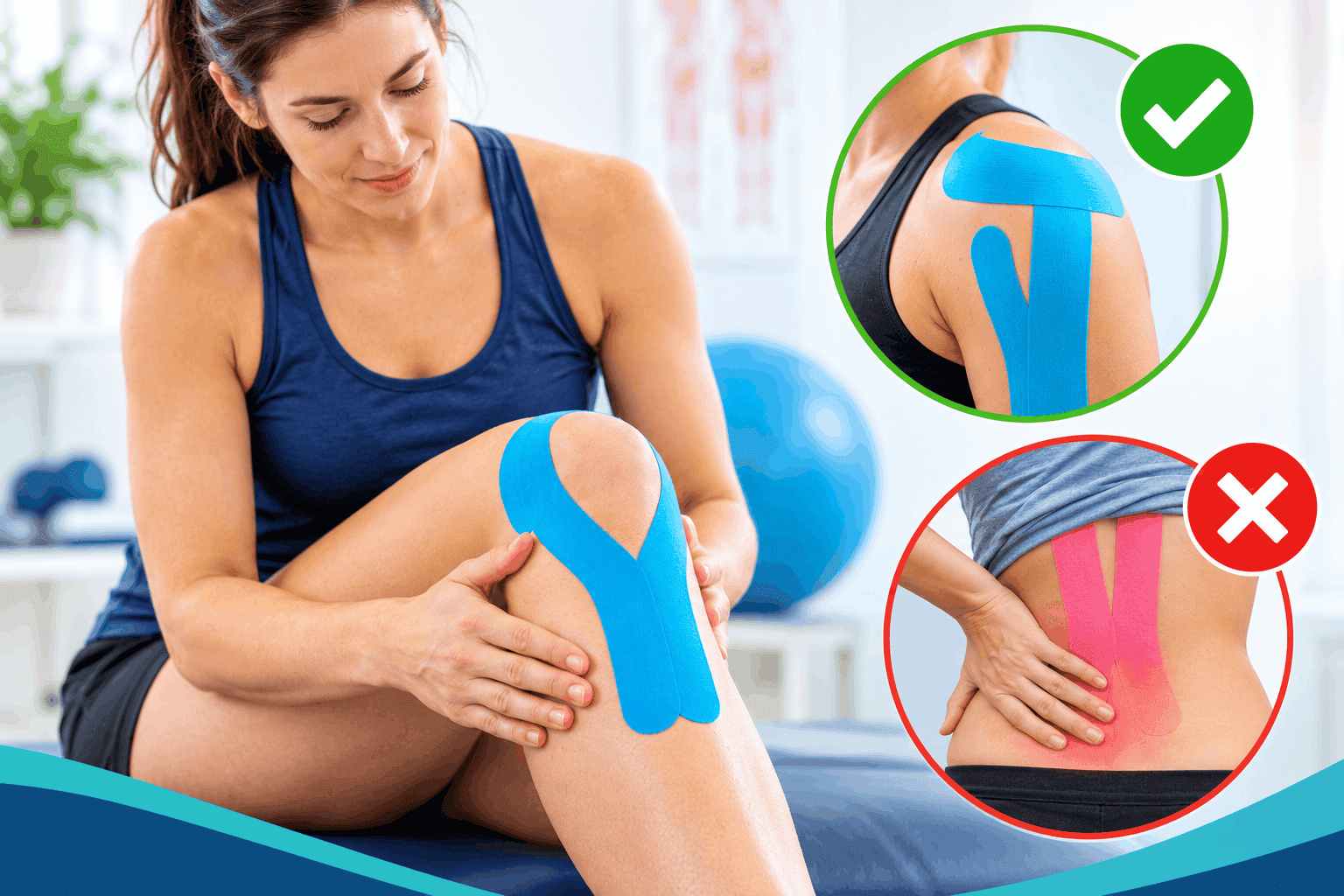
Kinesiology taping: what the stretchy tape can and can't do.
You've probably seen colourful strips of tape on athletes' shoulders, knees and backs. Many myotherapists and massage therapists use it too. Here's what kinesiology tape is, what the evidence says, and how to get the most out of it if your therapist suggests it.
MyoFitness Team · 4 min read