
Menopause and muscle and joint aches: what's going on and what helps.
Hot flushes get most of the attention, but many women notice something else in their 40s and 50s: stiff joints, achy muscles and niggles that seem to come from nowhere. It's common, it's real, and there's plenty you can do about it.

The short answer
- Is it normal?
Joint pain, stiffness and muscle aches are common during perimenopause and menopause. Changing hormone levels are thought to play a part, along with sleep, stress and changes in activity.
- What helps
Regular movement, especially strength training, along with good sleep and hands-on treatment for specific sore spots. Some women also discuss menopausal hormone therapy with their GP.
- Get checked
See your GP about hot, swollen joints, long-lasting morning stiffness, a fracture after a minor fall, or aches that come with fever or weight loss.
Many women in their 40s and 50s describe waking up stiff, finding that old injuries ache again, or noticing new pain in their shoulders, hands, hips or knees. It's easy to put this down to "just getting older", but the timing is often linked to perimenopause and menopause.
Understanding why can help you find the right support, and it can help you have a more useful conversation with your GP.
Why aches are common
Oestrogen affects many tissues in the body, including muscles, tendons, joints, cartilage and bone. As oestrogen levels fluctuate and fall around menopause, many women notice changes in how their body feels and recovers.
Other things that often happen at the same time can add to the picture:
Poorer sleep, from night sweats or waking more often, which lowers pain tolerance
Loss of muscle mass, which happens gradually with age and may speed up around menopause
Changes in activity because of a busy life, caring responsibilities or tiredness
Stress and mood changes, which can make pain feel worse
Aches around menopause are common and real. They're also a reason to move more, not less.
Frozen shoulder and other conditions
Some musculoskeletal conditions are more common in women around midlife, including:
| Condition | What you might notice |
|---|---|
| Frozen shoulder | Gradually increasing shoulder pain and stiffness, with difficulty reaching up or behind your back |
| Hip and buttock pain | Pain on the outside of the hip, often worse lying on that side or climbing stairs |
| Hand and wrist pain | Stiffness in the fingers, or tingling and numbness from carpal tunnel syndrome |
| Osteoarthritis | Joint pain and stiffness, often in the knees, hips or hands, that's worse after rest |
- What you might notice
- Gradually increasing shoulder pain and stiffness, with difficulty reaching up or behind your back
Frozen shoulder
- What you might notice
- Pain on the outside of the hip, often worse lying on that side or climbing stairs
Hip and buttock pain
- What you might notice
- Stiffness in the fingers, or tingling and numbness from carpal tunnel syndrome
Hand and wrist pain
- What you might notice
- Joint pain and stiffness, often in the knees, hips or hands, that's worse after rest
Osteoarthritis
These conditions have many possible causes, so it's worth getting a proper assessment if a particular joint is bothering you.
What helps
Strength training
Regular strength training is one of the most useful things you can do around menopause. It helps maintain muscle, supports joints, and loading through exercise is important for bone health. It doesn't have to mean heavy weights. Bodyweight exercises, resistance bands and gym-based programs all count, as long as they gradually get more challenging.
General activity
Walking, swimming, cycling and other activity you enjoy help with stiffness, sleep, mood and heart health. Little and often is a good approach on days when you're stiff.
Sleep and recovery
Improving sleep can make a real difference to pain. A regular routine, a cool bedroom and addressing night sweats with your GP can all help.
Where massage and myotherapy fit
Hands-on treatment can help with specific sore spots, tight muscles and stiff joints, and it can help you feel more comfortable while you build up activity. A myotherapist will usually assess the area, treat it, and give you exercises to keep things moving between sessions.
If you'd prefer, you can filter the directory by therapist gender, or by concerns such as Neck & shoulder pain, Low back pain or Persistent pain & fibromyalgia.
Talking to your GP
It's worth mentioning muscle and joint symptoms when you talk to your GP about menopause, even if they seem minor. Your GP can:
- Check for other causes, such as inflammatory arthritis, thyroid problems or low vitamin D
- Discuss treatment options for menopause symptoms, including menopausal hormone therapy (MHT), and whether they're suitable for you
- Talk about bone health, especially if you have risk factors for osteoporosis
Reliable information
Jean Hailes for Women's Health and the Australasian Menopause Society both publish evidence-based information about menopause for Australian women.
When to see a doctor soon
See your GP promptly if you have:
- Hot, red or swollen joints
- Morning stiffness that lasts more than half an hour, especially in the small joints of your hands and feet
- A fracture after a minor fall or bump
- Joint or muscle pain with fever, rash, unexplained weight loss or feeling generally unwell
- Sudden severe pain, or weakness in your arms or legs
Ready to look?
Find a therapist near you
Search by suburb, therapy or what you're dealing with. Every listing is checked against a national association register.
This guide is general information, not medical advice. Menopause affects everyone differently. Talk to your GP about your symptoms, especially before starting or changing any medication.
Find a myotherapist near you
Every practitioner in the directory is verified before their listing goes live. Search by suburb, therapy or health fund.
Related articles
- Myotherapy5 Nov 2026
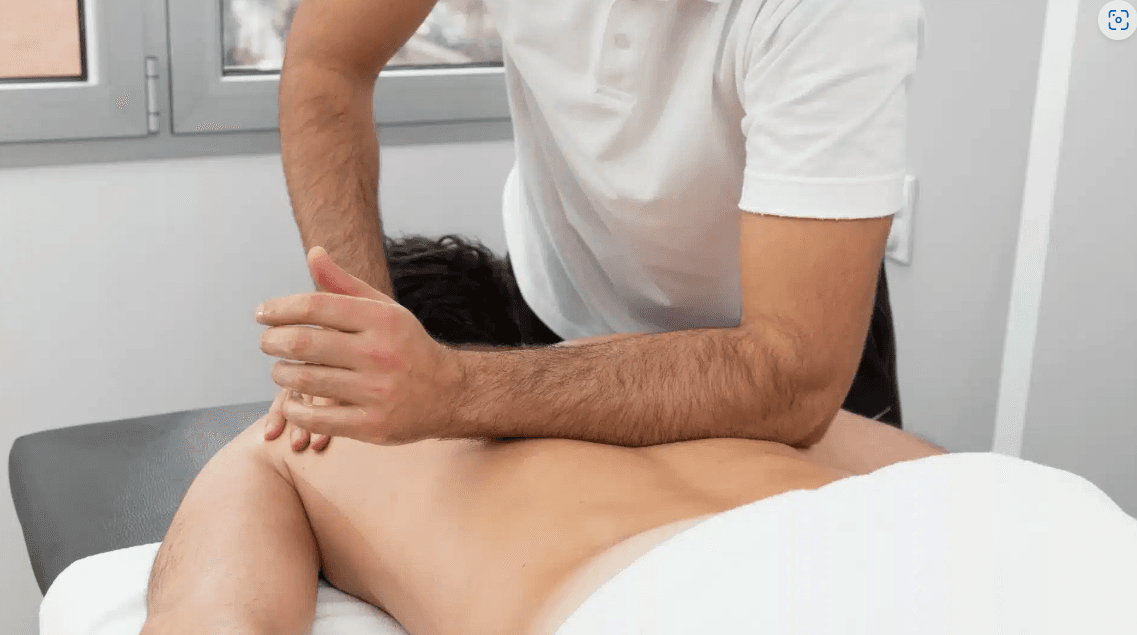
Pain between the shoulder blades: common causes and what helps.
That nagging ache between the shoulder blades is one of the most common complaints from desk workers, drivers and new parents. It's usually muscle or joint related and responds well to treatment. Occasionally it's a sign of something else, so it's worth knowing the difference.
MyoFitness Team · 5 min read - Myotherapy22 Oct 2026
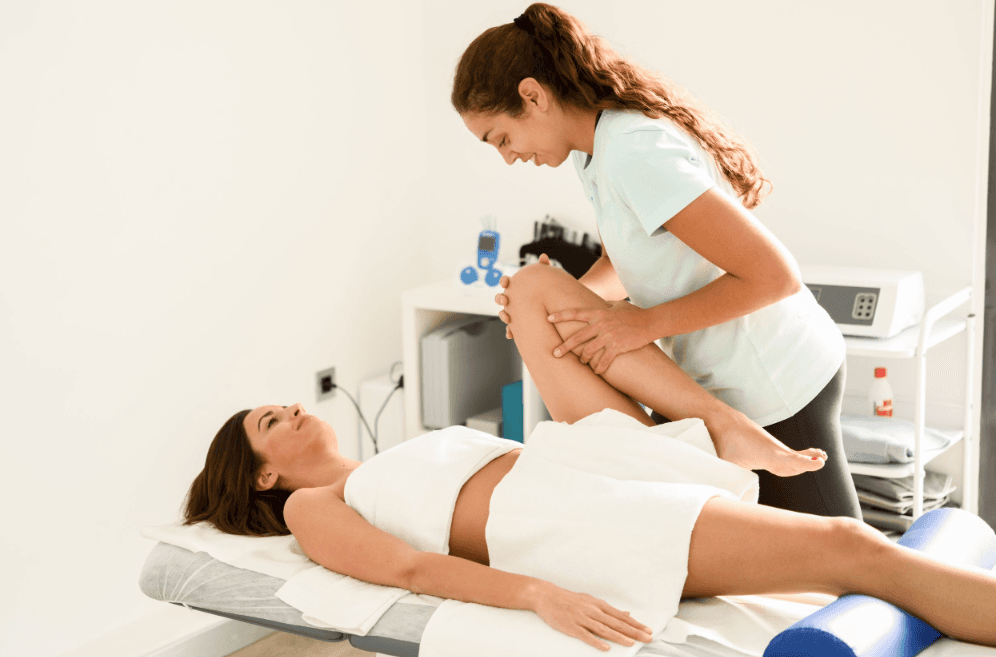
Your first session: what actually happens in the room.
Not knowing what to expect is one of the main reasons people put off booking. This guide walks you through a typical first appointment, from the intake form to the next morning, so you can arrive relaxed and get the most out of the hour.
MyoFitness Team · 7 min read - Myotherapy18 Oct 2026
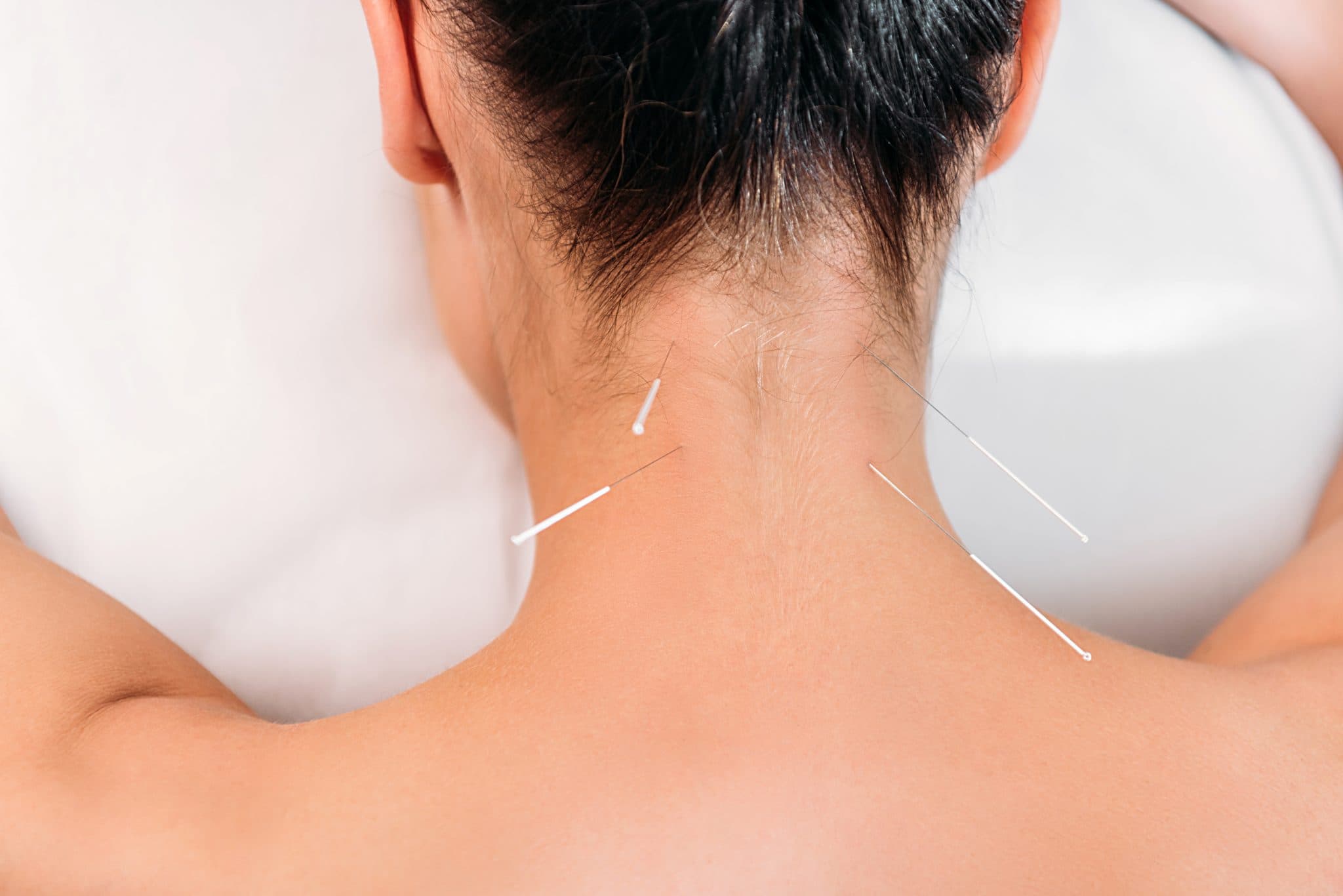
Dry needling: what it is, and whether it's for you.
Dry needling is now one of the most common techniques offered by myotherapists, but the name makes many people nervous. Here's what's actually involved, what it does and doesn't do, and what to ask before you agree to it.
MyoFitness Team · 6 min read