
Pain between the shoulder blades: common causes and what helps.
That nagging ache between the shoulder blades is one of the most common complaints from desk workers, drivers and new parents. It's usually muscle or joint related and responds well to treatment. Occasionally it's a sign of something else, so it's worth knowing the difference.
The short answer
- Usually
Muscle tension, stiff joints in the upper back or ribs, or pain referred from the neck. Long periods sitting, carrying, or feeding a baby are common triggers.
- What helps
Regular movement, upper back mobility and strengthening exercises, and hands-on treatment to ease tight muscles and stiff joints.
- Urgent
Call 000 if upper back pain comes with chest pain or pressure, shortness of breath, sweating, nausea, or pain spreading to the arm or jaw.
Pain between the shoulder blades can feel like a deep ache, a burning patch or a sharp "knot" that you can never quite reach. It's especially common in people who spend long hours at a desk or behind the wheel, and in new parents who spend hours feeding, carrying and settling a baby.
Most of the time it comes from the muscles and joints of the upper back and neck, and it responds well to movement and hands-on treatment.
Common causes
Muscle tension
The rhomboids and middle trapezius muscles tire and tighten after long periods holding the same position
Stiff joints
The small joints of the upper back, and where the ribs meet the spine, can become stiff and sore
Referred pain
Pain can be felt between the shoulder blades even when the problem starts in the neck
Common triggers
- Long hours at a computer or driving, with little change of position
- Carrying a heavy bag on one shoulder, or carrying a baby or toddler
- Feeding a baby, often looking down for long periods
- Sleeping in an awkward position
- A new activity, such as rowing, swimming or a change in gym program
- Stress, which many people hold in their shoulders and upper back
When the neck is the source
The nerves and joints of the lower neck can refer pain to the area between the shoulder blades. If your upper back pain changes when you move your neck, comes with neck stiffness, or spreads into your arm, the neck may be part of the picture. A myotherapist will usually assess both areas.
See your GP if you notice pins and needles, numbness or weakness in your arm or hand.
Where it hurts isn't always where the problem is. The neck is often part of the story.
What helps
Movement. Gentle upper back rotations, shoulder rolls and arching back over a chair or foam roller can ease stiffness.
Strengthening. Exercises for the muscles between and below the shoulder blades, such as rows with a resistance band, help them cope with long days.
Heat. A heat pack can ease muscle tension enough to get moving.
Breaks. Changing position every 30 to 45 minutes is often more helpful than trying to hold perfect posture.
What treatment looks like
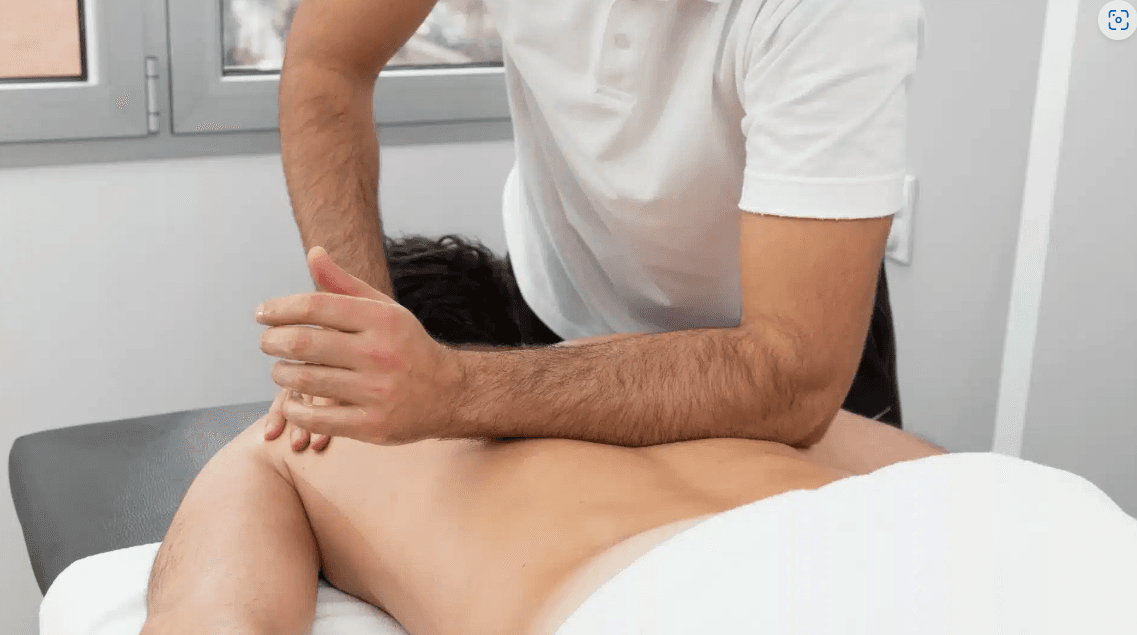
A myotherapist or remedial massage therapist will ask about your work, sleep and daily habits, then assess how your upper back, neck and shoulders move. Treatment may include:
- Soft tissue and trigger point work for tight muscles
- Gentle joint mobilisation for the upper back and ribs
- Dry needling or cupping for stubborn tight spots, if you're comfortable with it
- A short home program of mobility and strengthening exercises
Many people notice a difference within a few sessions, especially when they keep up the exercises. On the directory, filter by Neck & shoulder pain or Desk posture & RSI.
Habits that help
| Situation | Try this |
|---|---|
| Desk work | Raise your screen to eye level, bring it closer, and stand or move every 30 to 45 minutes |
| Driving | Adjust your seat so you're not reaching for the wheel, and stop for breaks on long drives |
| Feeding a baby | Use pillows to bring baby up to you, rather than leaning down, and vary your position |
| Carrying | Swap sides often, or use a backpack with both straps |
- Try this
- Raise your screen to eye level, bring it closer, and stand or move every 30 to 45 minutes
Desk work
- Try this
- Adjust your seat so you're not reaching for the wheel, and stop for breaks on long drives
Driving
- Try this
- Use pillows to bring baby up to you, rather than leaning down, and vary your position
Feeding a baby
- Try this
- Swap sides often, or use a backpack with both straps
Carrying
When it's not a muscle problem
Occasionally, pain between the shoulder blades comes from the heart, lungs, major blood vessels or abdominal organs. This is uncommon, but important to recognise.
Call 000 if upper back pain comes with:
Chest pain, pressure or tightness Shortness of breath, sweating, nausea or feeling faint Pain spreading to your arm, neck or jaw Sudden, severe, tearing pain Heart attack symptoms can be different in women and may include back pain, breathlessness and nausea without obvious chest pain.
See your GP if you have upper back pain with:
- Fever, cough, or pain that's worse when you breathe in
- Pain under the right shoulder blade after meals
- A burning pain in a band around one side, especially if a rash follows
- A history of cancer, unexplained weight loss, or constant pain at night
- A fall or injury, especially if you have osteoporosis
Ready to look?
Find a therapist for upper back pain
Search by suburb, therapy or what you're dealing with. Every listing is checked against a national association register.
This guide is general information, not medical advice. Upper back pain can occasionally come from the heart, lungs or other organs. If you're unsure, or have any of the warning signs above, seek medical advice first.
Find a myotherapist near you
Every practitioner in the directory is verified before their listing goes live. Search by suburb, therapy or health fund.
Related articles
- Myotherapy22 Oct 2026
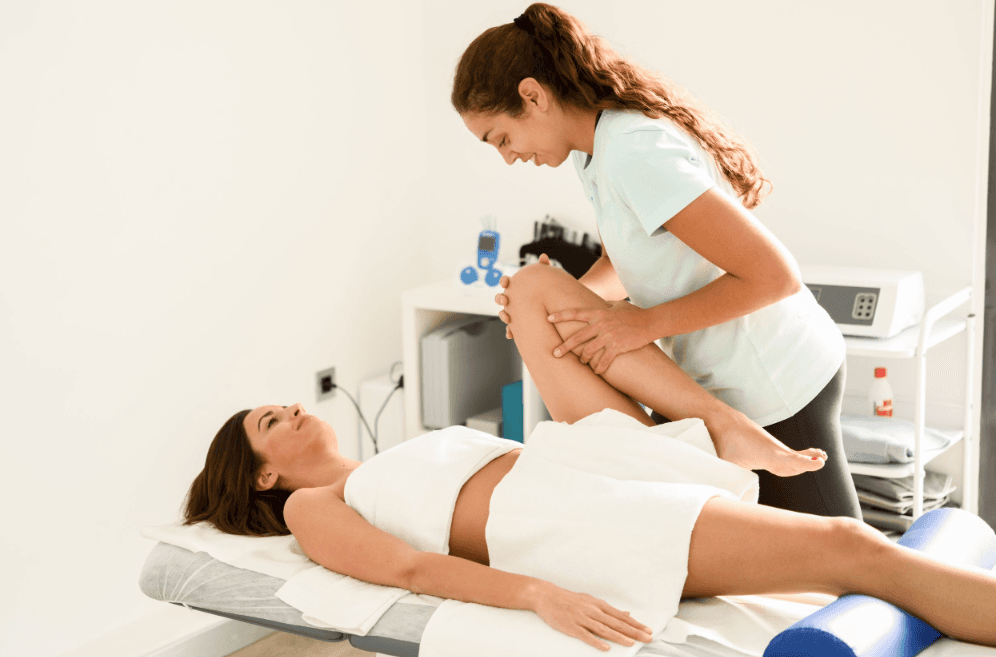
Your first session: what actually happens in the room.
Not knowing what to expect is one of the main reasons people put off booking. This guide walks you through a typical first appointment, from the intake form to the next morning, so you can arrive relaxed and get the most out of the hour.
MyoFitness Team · 7 min read - Myotherapy18 Oct 2026
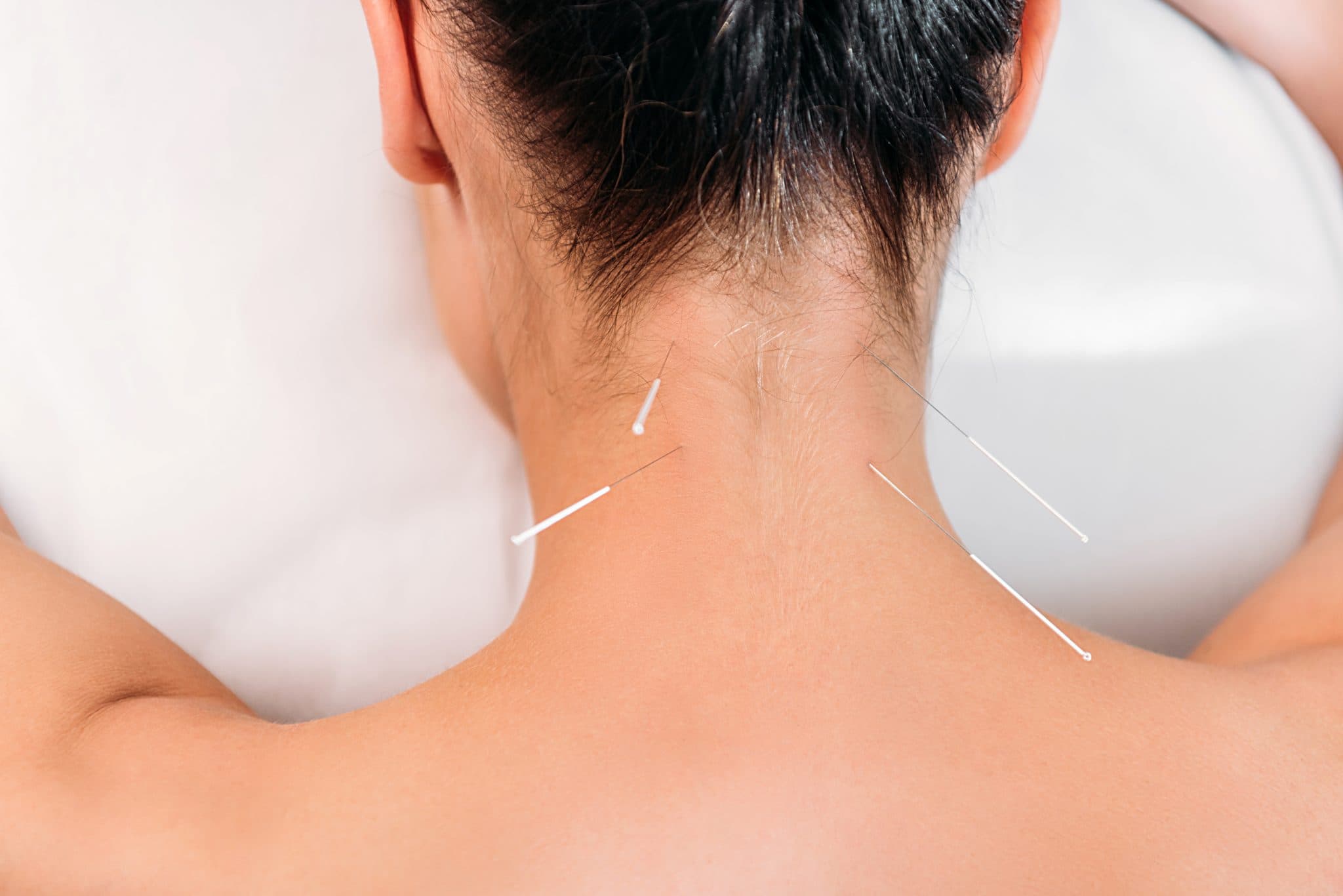
Dry needling: what it is, and whether it's for you.
Dry needling is now one of the most common techniques offered by myotherapists, but the name makes many people nervous. Here's what's actually involved, what it does and doesn't do, and what to ask before you agree to it.
MyoFitness Team · 6 min read - Myotherapy12 Oct 2026

Sports massage before and after a big run: getting the timing right.
Spring in Victoria is fun-run season, and plenty of runners book a massage somewhere between the last long run and the finish line. Timing matters. Here's when massage is most useful, what to expect, and what it can and can't do for recovery.
MyoFitness Team · 5 min read