
Your first session: what actually happens in the room.
Not knowing what to expect is one of the main reasons people put off booking. This guide walks you through a typical first appointment, from the intake form to the next morning, so you can arrive relaxed and get the most out of the hour.
The short answer
- Before you go
Wear something comfortable, and bring any scans, referral letters and a list of your medications. Arrive five to ten minutes early to fill in forms.
- In the room
Expect to talk for a while first, then have your movement checked, then receive hands-on treatment. A first visit is often longer than later ones.
- Afterwards
Some soreness for a day or two is common. You should leave knowing what was found, what the plan is and what to do at home.
Most people's first session goes something like this: you fill in a form, talk about what's bothering you, move around a bit while the therapist watches, lie on the table for treatment and leave with a plan. The details vary between myotherapy, remedial massage and lymphatic drainage, but the basic shape is much the same.
Knowing that shape ahead of time makes it easier to relax. It also helps you get value from the appointment, because you'll have thought about what to tell the therapist before you're lying face down and trying to remember.
Before you go
What to bring
Any scan reports such as X-ray, ultrasound or MRI results, and any letters from your GP, physio or specialist.
A list of medications, especially blood thinners, as they can change how a therapist works, and some techniques aren't suitable with them.
Your health fund card if the clinic offers on-the-spot claiming.
Anything relevant to the problem. Runners can bring their training log, people with jaw pain their night guard, and people with lymphoedema any compression garments they already have.
What to wear
Wear comfortable clothes you can move in. Shorts or loose pants are useful if your problem involves your hips, knees or lower back. For massage-based treatment you'll usually undress to your underwear for the area being treated, and you'll always be covered by towels or a sheet. If you'd rather stay clothed, say so. Many techniques work through clothing, and Bowen therapy is normally done fully dressed.
A note before you arrive
Jot down three things: when the problem started, what makes it worse and what you most want to be able to do again. It takes two minutes and helps the therapist much more than you might expect.
When you arrive
Most clinics will ask you to fill in a health history form, either on paper or through a link sent when you booked. It covers past injuries, surgeries, current conditions, medications and anything that might make certain treatments unsuitable, such as pregnancy, recent surgery, a bleeding disorder or a pacemaker.
Answer it honestly, even if a question seems irrelevant. A therapist can only adjust treatment for things they know about. Your information is kept confidential, and in Victoria health practitioners, including those who aren't registered with AHPRA, are expected to handle health records properly.
The conversation
Before you get on the table, expect to spend somewhere between five and twenty minutes talking. The exact time depends on the therapy and the problem. A myotherapist or lymphoedema therapist will usually ask more questions than a remedial massage therapist, but every good practitioner will ask some version of these:
- Where exactly is the pain or tightness, and does it spread anywhere?
- When did it start, and was there a particular event?
- What makes it better or worse? Think about sitting, sleeping, lifting, the time of day and stress.
- What have you already tried, and did any of it help?
- What are you hoping to get back to?
The last question matters more than it sounds. "I want to run a half marathon in March" leads to a different plan than "I want to sit through a work meeting without my neck aching", even if both people point to the same spot.
The assessment
Next, the therapist will usually ask you to move. You might bend forward, turn your head, lift your arm or squat. They'll watch how you move, note where it's limited and look for what brings on your symptoms. They may also press on certain muscles to see if they're tender or reproduce your pain, and check your strength, reflexes or joint movement.
For lymphatic drainage, the assessment often includes measuring the affected limb at set points. This gives a baseline to compare against at later sessions.
By the end, a good therapist should be able to tell you in plain language what they think is going on and what they plan to do about it. If they can't, or won't, ask them.
You should leave knowing what was found, what was done and what happens next, not just that it felt good.
The treatment
Hands-on time is usually the largest part of the appointment. Depending on the therapist and the problem, it might include:
| Technique | What it's like |
|---|---|
| Soft tissue and trigger point work | Firm, focused pressure on tight or tender spots. It can feel uncomfortable but it shouldn't be unbearable. |
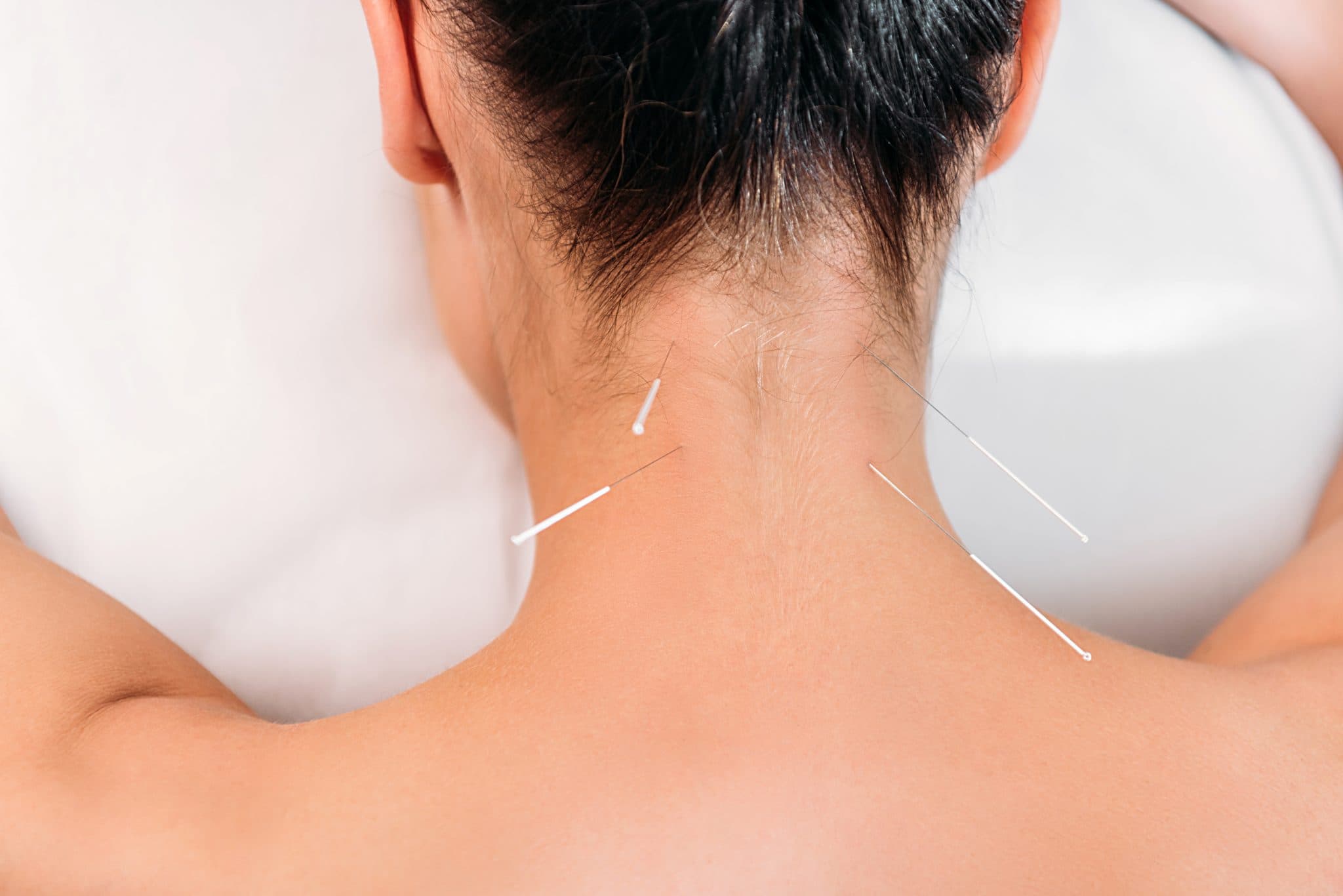
| Dry needling | Very fine needles inserted into tight muscle. You may feel a brief twitch or ache. Only done with your consent. |
| Cupping | A pulling sensation under the cups. It can leave round marks that fade over several days. |
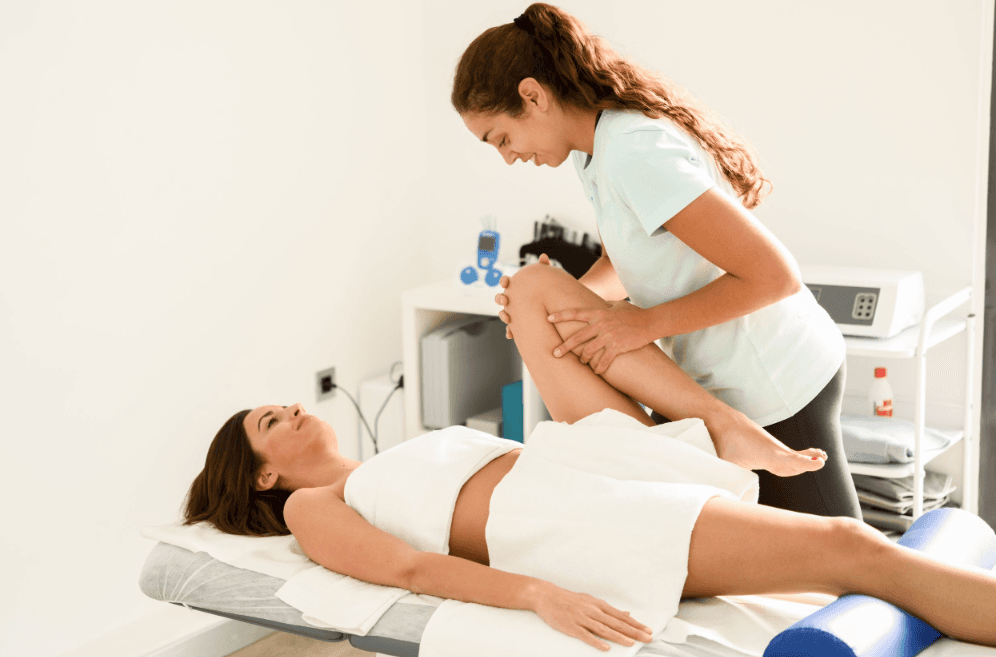
| Joint mobilisation and stretching | The therapist moves a joint or limb through its range, usually gently and rhythmically. |
| Manual lymphatic drainage | Very light, slow, repetitive strokes. Many people find it so relaxing they fall asleep. |
- What it's like
- Firm, focused pressure on tight or tender spots. It can feel uncomfortable but it shouldn't be unbearable.
Soft tissue and trigger point work
- What it's like
- Very fine needles inserted into tight muscle. You may feel a brief twitch or ache. Only done with your consent.
Dry needling
- What it's like
- A pulling sensation under the cups. It can leave round marks that fade over several days.
Cupping
- What it's like
- The therapist moves a joint or limb through its range, usually gently and rhythmically.
Joint mobilisation and stretching
- What it's like
- Very light, slow, repetitive strokes. Many people find it so relaxing they fall asleep.
Manual lymphatic drainage
Talk as much or as little as you like. Most therapists will check in about pressure, especially in the first session. A good guide is that discomfort should feel like a "good hurt" that you can breathe through. Pain that makes you tense up, hold your breath or grip the table means the pressure is too much, and the treatment will work less well.
Your comfort and consent
This part is non-negotiable, so it's worth stating plainly.
You can say no to any technique, at any point, without giving a reason.
You can ask for less pressure, a different position, or for the session to stop. A good therapist won't be offended.
You should be told before treatment near sensitive areas, such as the chest, inner thigh, glutes or the inside of the mouth for jaw work, and asked whether you're comfortable with it.
Only the area being treated should be uncovered. Towels or a sheet cover everything else.
You're welcome to bring a support person, or to ask for a therapist of a particular gender. The directory lets you filter by this.
If something doesn't feel right
Myotherapists and massage therapists in Victoria aren't registered with AHPRA, but they must still follow a statutory code of conduct for health practitioners. If you have a concern about a therapist's conduct, you can contact their professional association or the Victorian Health Complaints Commissioner. You can also report a listing to us.
Afterwards
It's common to feel a little sore for 24 to 48 hours after firmer treatment or dry needling. It can feel a bit like the day after a workout. Gentle movement, a warm shower and keeping up your normal activity usually help more than resting completely. Lymphatic drainage rarely causes soreness, but some people need to go to the toilet more often afterwards.
Contact your therapist if soreness lasts longer than a couple of days or gets worse instead of better. See a doctor if you notice anything unusual, such as numbness, increasing swelling or bruising you can't explain.
Before you leave, you should know
- What the therapist found, in words you understood
- What they did, and why
- What to do at home, which is often just one or two exercises or habit changes
- Whether they suggest a follow-up, roughly how many sessions they expect it to take and how you'll both know it's working
If you weren't told any of that, it's fine to ask, either before you leave or in a message the next day. A therapist who explains their thinking is usually one worth going back to.
Ready to look?
Find someone for your first session
Search by suburb, therapy or what you're dealing with. Every listing is checked against a national association register.
This guide is general information, not medical advice. Every therapist runs their sessions a little differently, so if something matters to you, ask when you book.
Find a myotherapist near you
Every practitioner in the directory is verified before their listing goes live. Search by suburb, therapy or health fund.
Related articles
- Myotherapy18 Oct 2026
Dry needling: what it is, and whether it's for you.
Dry needling is now one of the most common techniques offered by myotherapists, but the name makes many people nervous. Here's what's actually involved, what it does and doesn't do, and what to ask before you agree to it.
MyoFitness Team · 6 min read - Myotherapy12 Oct 2026
Sports massage before and after a big run: getting the timing right.
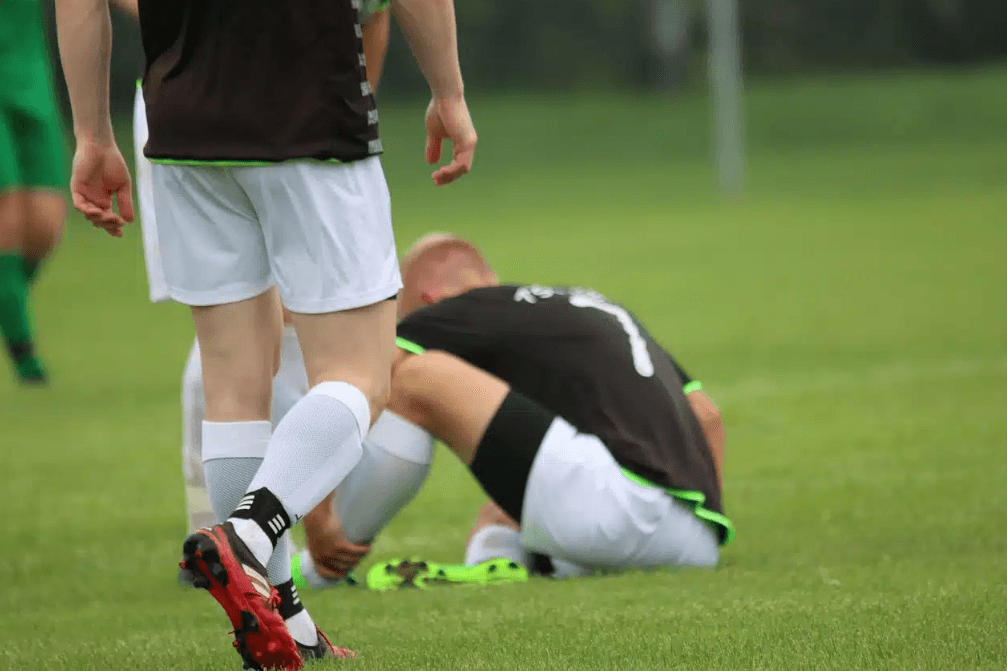
Spring in Victoria is fun-run season, and plenty of runners book a massage somewhere between the last long run and the finish line. Timing matters. Here's when massage is most useful, what to expect, and what it can and can't do for recovery.
MyoFitness Team · 5 min read - Myotherapy11 Oct 2026
Neck and shoulder pain from desk work: what is actually going on
It is rarely the posture itself. It is how long the same posture is held without a break — and the tissue changes that follow are treatable, usually faster than people expect.
MyoFitness Team · 8 min read
