
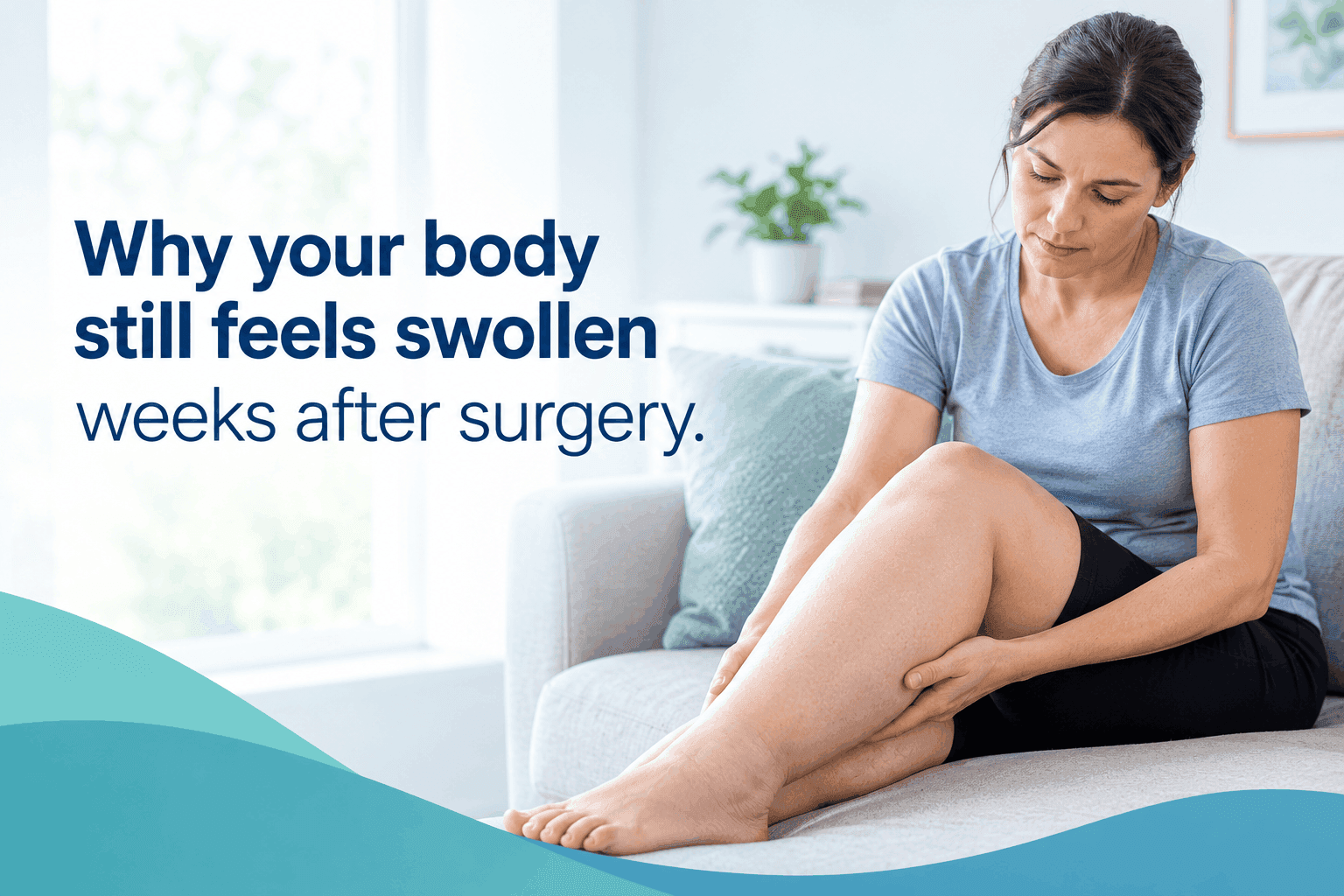
Why your body still feels swollen weeks after surgery.
Swelling is a normal part of healing, but it often lasts longer than people expect. Here's what's usually going on, when it's worth getting checked, and where manual lymphatic drainage and other care fit into recovery.
The short answer
- Usually normal
Swelling after surgery is part of the body's healing response. It often settles gradually over weeks, and sometimes takes months after bigger operations.
- Where MLD fits
Manual lymphatic drainage is a gentle technique some surgical teams recommend for swelling. Always get clearance from your surgeon or treating team first.
- Good to know
A swollen, painful, warm calf or leg, or chest pain and breathlessness, can be signs of a blood clot. Seek urgent help and call 000 for chest symptoms.
You were told there would be some swelling after surgery. What you might not have expected is that weeks later, your knee, abdomen, breast, face or ankle still feels puffy, tight or heavy. Clothes fit differently, and you start to wonder whether something is wrong.
Most of the time, lingering swelling is a normal part of healing. Sometimes it's worth a closer look. This guide explains the difference, and where gentle hands-on care such as manual lymphatic drainage might help.
Why swelling happens
Surgery is a controlled injury. Your body responds the way it does to any injury: blood flow to the area increases, and fluid and immune cells move into the tissues to start repairing them. That extra fluid is what you see and feel as swelling.
Normally, the lymphatic system, a network of fine vessels and lymph nodes, gradually clears excess fluid from the tissues. Surgery can temporarily disrupt the small lymph vessels in the area, so it can take time for drainage to catch up. Swelling also tends to be worse at the end of the day, after more activity, in hot weather and in areas below the heart, such as the lower legs.
How long it can last
There's no single timeline. How long swelling lasts depends on the type and size of the operation, where it was, your general health and how active you can be during recovery.
As a general guide, swelling is often most noticeable in the first week or two, then eases gradually. After larger operations, such as joint replacements, abdominal surgery or some cosmetic procedures, some swelling can linger for several months. Your surgeon or treating team is the best person to tell you what's expected for your operation.
It also helps to keep track of how things are changing. A quick photo at the same time each day, or noting how a ring, sock or waistband fits, can make it easier to see whether swelling is slowly settling. That record is also useful to share with your team at follow-up appointments.
Gradual improvement, even slow, is reassuring. Swelling that's getting worse, painful or hot is the thing to act on.
Seromas, firm tissue and lymphoedema
Not all post-surgical swelling is the same. Your treating team may mention some of these:
Seroma
A pocket of clear fluid that collects under the skin near the surgical site. It can feel like a soft, squishy lump. Small seromas often settle by themselves, but your team may need to drain larger ones.
Firm or lumpy tissue
As tissues heal, scar tissue forms. Sometimes areas feel firm, ridged or tight, which is often called fibrosis. Gentle care can help some people feel more comfortable, but it should be guided by your team.
Lymphoedema
Ongoing swelling caused when the lymphatic system can't drain an area properly. It's more likely after surgery that removes lymph nodes, or after radiotherapy to lymph nodes, such as some cancer treatments. It can develop months or even years later.
If you've had lymph nodes removed or treated, it's worth knowing the early signs of lymphoedema: a feeling of heaviness, tightness or fullness in the limb or area, rings, watches or clothing feeling tighter on one side, or swelling that doesn't go down overnight. Early assessment and management can make a real difference, so mention any of these to your treating team.
Where lymphatic drainage fits
Manual lymphatic drainage (MLD) uses very light, slow, rhythmic strokes that gently stretch the skin to encourage fluid towards working lymph nodes. It feels nothing like a firm massage, and it isn't meant to.
Some surgeons and treating teams recommend MLD after certain operations, and it's commonly used as part of lymphoedema management alongside compression, skin care and exercise. The research on MLD for general post-surgical swelling is mixed, and results vary between people and procedures. Many people find it comfortable and soothing, and some feel it helps their swelling settle.
Get clearance first
Always check with your surgeon or treating team before starting MLD or any massage after surgery. They'll know whether your wounds have healed enough, whether there are areas to avoid and whether there's any reason it isn't suitable for you, such as an infection or a blood clot.
On the directory, you can browse Manual Lymphatic Drainage, or filter by Post-surgical recovery or Lymphoedema & swelling.
Compression, movement and self-care
MLD is usually only one part of managing swelling. Other things your team may suggest include:
Compression garments, if they've been prescribed or recommended for you. Wear them as advised, and get them refitted if they become loose, tight or uncomfortable.
Gentle movement, as cleared by your team. Muscle activity helps move lymph fluid, so walking and prescribed exercises matter.
Elevation of a swollen limb when resting, if your team recommends it.
Skin care, keeping the skin clean and moisturised, and looking after cuts and scratches, particularly if you're at risk of lymphoedema.
Pacing your return to activity, so you build up gradually rather than doing too much on good days.
Choosing a therapist
Post-surgical swelling needs a therapist with specific training. When you're looking, ask:
What MLD training have you done? Look for certification in a recognised method, such as Vodder or Casley-Smith.
Are you on the National Lymphoedema Practitioners Register? The Australasian Lymphology Association's register lists practitioners who have completed recognised lymphoedema training. It's particularly relevant if you have, or are at risk of, lymphoedema.
Are you happy to work with my surgical team? A good therapist will want to know about your operation and any instructions you've been given.
Can you show me what to do at home? Many therapists teach simple self-drainage techniques.
When to see a GP or call 000
Call 000 if you have chest pain, sudden shortness of breath, coughing up blood or feel faint. These can be signs of a blood clot in the lungs.
Contact your surgeon, treating team or GP promptly, or go to an emergency department if you can't reach them, if you have:
- Pain, swelling, warmth or redness in one calf or leg, which can be a sign of a deep vein thrombosis (DVT)
- A wound that's red, hot, increasingly painful, or leaking pus or fluid
- A fever, chills or feeling generally unwell
- A sudden increase in swelling, or swelling that's getting worse rather than better
- A hard, tense or rapidly growing lump near the surgical site
- New swelling, heaviness or tightness in a limb after lymph node surgery or radiotherapy
Ready to look?
Find a lymphatic drainage therapist
Search by suburb, therapy or what you're dealing with. Every listing is checked against a national association register.
This guide is general information, not medical advice. Every operation and recovery is different, so follow your surgeon's and treating team's advice, and check with them before starting manual lymphatic drainage or massage after surgery.
Find a myotherapist near you
Every practitioner in the directory is verified before their listing goes live. Search by suburb, therapy or health fund.
Related articles
- Lymphatic Drainage16 Oct 2026
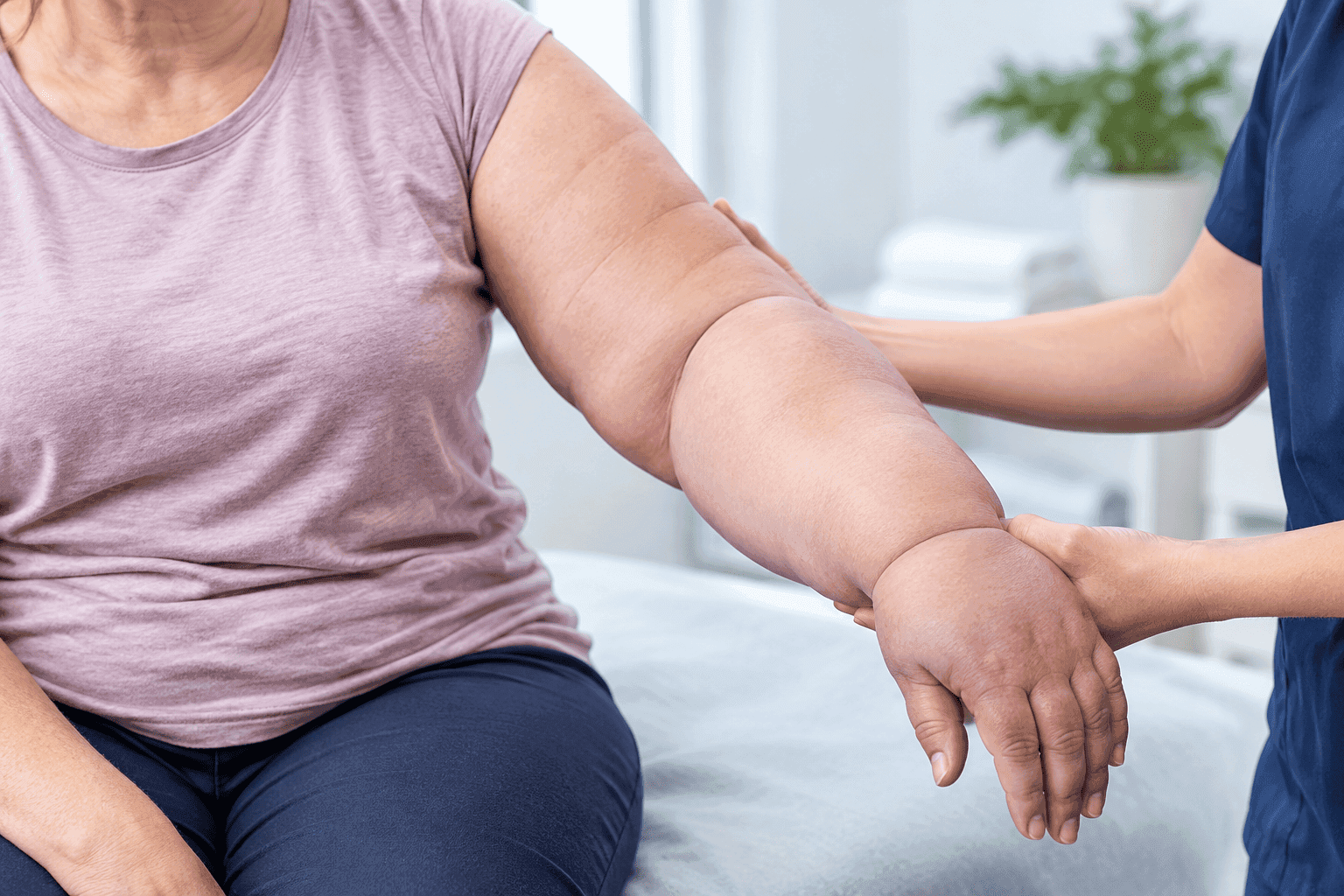
Lymphoedema after cancer treatment: finding the right therapist.
Lymphoedema can show up months or even years after surgery or radiotherapy, and it often catches people off guard just as life is getting back to normal. With the right care it can usually be managed well. Here's what that care looks like and how to find someone trained to provide it.
MyoFitness Team · 6 min read - Lymphatic Drainage9 Oct 2026
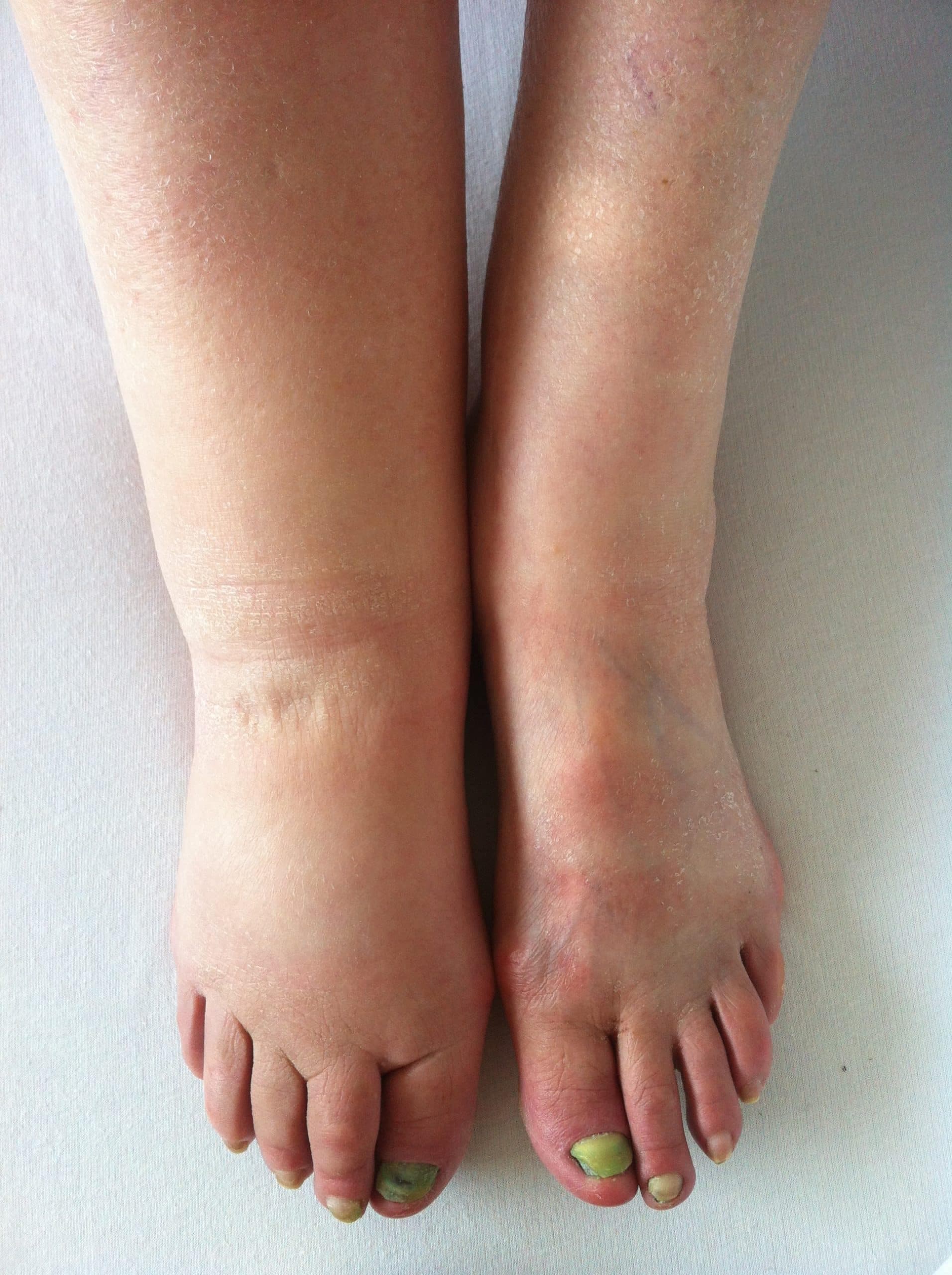
Lymphoedema and chronic swelling: how does lymphatic drainage work?
Lymphoedema is incurable but highly manageable — and the thing that decides which of those two words you live with is how early professional drainage starts.
MyoFitness Team · 8 min read - Remedial Massage13 Oct 2026

Pregnancy massage: is it safe, and what to expect.
Aching hips, a sore lower back and shoulders that never quite relax are all common in pregnancy. Massage from a therapist trained in pregnancy care can help you feel more comfortable. Here's how it's done safely and what to check before you book.
MyoFitness Team · 5 min read